
More Than a Cleanout — A Final Act of Care
Dealing with the home of a loved one who has passed away is never just a practical task—it’s an emotional one. You’re not simply sorting through belongings; you’re navigating memories, responsibilities, deadlines, and often the expectations of others. For many families, the process feels overwhelming long before the first drawer is opened.
That’s why having the right guidance—and the right support—matters. While some people choose to handle everything themselves, others find comfort in turning to trusted services such as deceased estate rubbish removal when the physical or emotional load becomes too heavy.
Before you take any major steps, it helps to understand what truly lies ahead. This guide breaks down 10 essential considerations to help you approach the cleanout with clarity, confidence, and compassion.
1. Secure the Property Before You Touch Anything
Before any sorting begins, the absolute first step is to secure the property. This is not just a practical measure; it's a foundational action that protects the estate's physical assets and provides the peace of mind necessary to begin the emotional work ahead. You never know who may have keys or access codes.
Immediately upon taking responsibility for the estate, take these critical security actions:
- Change the Locks: You cannot be certain who might have a key, so it is vital to have all locks changed by a reputable locksmith. For complete security, you should also reset alarm codes and any remotes to open gates or garage doors.
- Forward the Mail: Redirect all mail to your address to prevent it from piling up, which can signal that a home is unoccupied. This also ensures you receive important documents, billing statements, and other sensitive information needed to manage the estate's affairs. The post office will require proof of your role as the court-appointed executor or administrator.
- Arrange for Pet Care: If your loved one had pets, their well-being is an immediate priority. The first choice is to find a safe new home with a family member. If that is not possible, reach out to neighbors who knew the pet. As an absolute last resort, contact local animal shelters, but be aware that they often run at maximum capacity.
By securing the physical space, you create the emotional space needed to process the difficult task ahead. This leads to the next crucial step: taking a moment to grieve.
2. Take an Emotional Pause
The instinct for many is to dive in and get to work, driven by pressure and a long list of things to do. However, rushing into a cleanout can be counterproductive and emotionally damaging. This "pause" is a non-negotiable step that allows for essential emotional processing and mental preparation before you make any permanent decisions.
Take an initial tour of the home without the pressure of needing to touch, sort, or discard a single item. This walk-through allows you to process your emotions and simply be in the space.
Taking pictures as you walk through each room can also help preserve memories before the physical landscape begins to change. Remember, there is no right or wrong timeline for this process.
Once you have taken this personal time, you can begin to approach the practical, legal framework that must be understood next.
3. Understand Roles, Responsibilities & Family Expectations
Before the first box is packed, it is vital to establish a clear legal and familial framework. This step is foundational for preventing conflict, ensuring the process is fair, and honoring the deceased's final wishes.
- Familiarize Yourself with the Will: The will is the primary legal document that guides the entire process, especially the distribution of assets. Read it carefully. Some wills are straightforward, while others may be complicated and require guidance from a probate attorney.
- Identify the Executor/Administrator: This person is the primary decision-maker, legally responsible for managing the estate settlement process. All major decisions flow through them. If you are the executor, you have the authority—and the responsibility—to lead the cleanout.
- Communicate with Family: Open and early communication with heirs and family members is critical. Set clear expectations and establish ground rules for the cleanout from the very beginning. This proactive approach helps manage expectations and prevent future tension or disputes.
Once roles are clear and the legal guidelines are understood, the next logical step is to create a fair and organized system for family members to claim sentimental items.
4. Set a Clear Claiming System for Family Members
Fairly distributing items that hold deep sentimental value is often one of the most emotionally charged aspects of an estate cleanout. A clear, structured system is the most effective tool for minimizing disputes and ensuring the process remains respectful for everyone involved.
Follow these practical steps to manage the family claiming process:
- Set a Firm Date and Time Limit: Select a specific date for family members to come to the home and set a firm deadline for when all claimed items must be removed. This creates a sense of urgency and helps manage everyone's expectations, especially if the property needs to be prepared for sale.
- Work Together Room-by-Room: It is often best to have the family move through the house together, one room at a time. This prevents one person from moving ahead of the group and eliminates any feeling that another family member "got the jump on them."
- Use a Sticker System: To provide a clear, visual system for tracking claims, assign each family member a color of sticker, or simply provide sticky notes for them to write their names on. As you move through the home, individuals can place their sticker or note on any item they wish to keep.
- Manage Tensions: If family dynamics are particularly strained, it may be better to schedule separate days for different individuals or small groups to visit the home. This can keep the peace and allow everyone to make their selections without added pressure.
After family members have identified their keepsakes, it’s critical to exercise caution before disposing of anything that remains.
5. Avoid Decluttering Too Soon
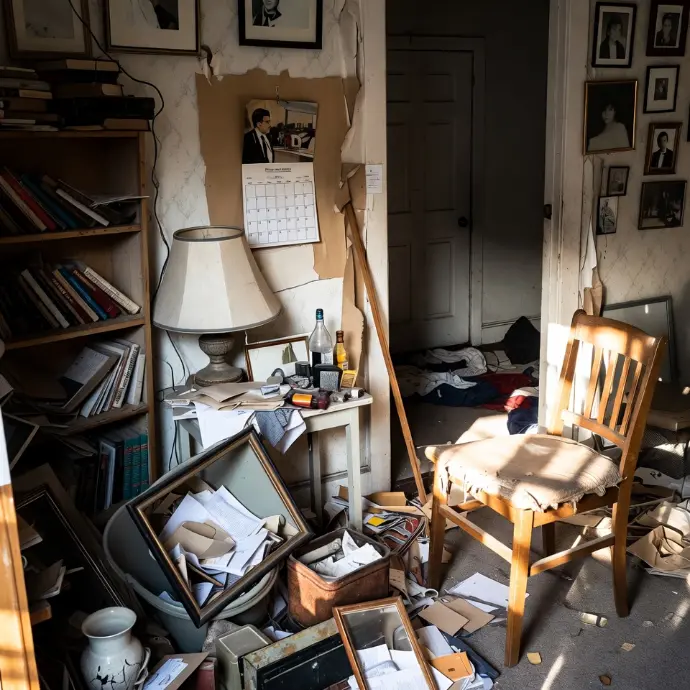
One of the biggest mistakes an executor can make is rushing to declutter or dispose of items. This carries a high risk of accidentally discarding things of significant—and often hidden—monetary or legal value. It is essential to commit to a thorough search before anything is thrown away.
Be on the lookout for hidden valuables in unexpected places. Common examples include:
- Cash found in unexpected places, such as a coat pocket in a closet.
- Important documents, like deeds or stock certificates, tucked inside books.
- Jewelry, valuable art, or insurance policies stored in non-obvious containers.
- Vintage clothing that may have significant resale value.
Because valuable items can be easily mistaken for clutter, a professional valuation is not just a suggestion—it's a critical step to protect the estate's assets, which we will cover next.
6. Know the Potential Value Hidden in the Home
Before selling or donating the remaining contents of the home, it is a financial imperative to have key assets professionally appraised. A formal valuation not only ensures the estate receives fair market value for its assets but can also uncover significant funds that can help cover the costs of the cleanout and property preparation.
Follow this approach to valuation:
- Hire a Professional Appraiser: If the estate includes a substantial amount of paintings, jewelry, antique furniture, or collectibles, hiring a professional appraiser is a worthwhile investment. While it is an expense, it could be well paid for by discovering items with real value that might have otherwise been overlooked.
- Consult an Estate Liquidator: An estate sale company should be consulted before you donate items like clothing, books, or household goods. These professionals are skilled at identifying valuable vintage pieces or collectibles that may otherwise be missed.
Understanding the value of the estate's contents will help you build the broader team of professionals you’ll need to navigate the entire process.
7. Gather the Professionals You’ll Need (Your Support Team)
An estate cleanout is not a solitary burden; it is a complex project that often requires a team of specialists. Assembling a support team is a sign of practical strength, not weakness. It prevents the executor from becoming physically and emotionally exhausted while ensuring each aspect of the process is handled with expertise.
Your support team may include:
- Locksmith: Provides immediate control and peace of mind by changing all locks and resetting security codes.
- Probate Attorney: Your essential legal guide for interpreting the will, navigating probate, and resolving any disputes to ensure the settlement process is compliant.
- Appraiser: Determines the fair market value of high-value items like art, antiques, and jewelry, ensuring the estate is not undervalued.
- Estate Liquidator / Sale Company: Organizes, markets, and runs a professional estate sale to maximize returns on a large volume of household items.
- Buyout Company: Offers a fast and complete clearing solution by purchasing all remaining contents in a single transaction, leaving the home vacant.
- Professional Organizer: Provides hands-on help and a neutral, objective perspective during the often-emotional sorting process.
With a professional team in place, you can more effectively manage the specific legal and administrative tasks required to settle the estate.
8. Understand the Legal & Administrative Steps
A crucial part of the executor's role is to locate, secure, and organize all necessary legal and financial documents. This paperwork is the foundation for settling the estate's affairs, from paying final bills and closing accounts to filing the final tax returns. Before discarding anything, conduct a thorough search for these essential records.
Essential Document Checklist
Financial & Assets |
Property & Insurance |
Legal & Personal |
Bank Account Statements |
Deeds & Car Registrations |
Will or Trust Documents |
Tax Returns & Pay Stubs |
Home & Life Insurance Policies |
Social Security Information |
Stock Certificates & 401k Info |
Receipts/Appraisals for Art/Jewelry |
Usernames & Passwords |
Credit Card Statements |
Mortgage Payment Information |
Utility Bills |
Once these administrative tasks are in order and the necessary documents are secured, the final phase of clearing the property can be planned effectively.
9. Plan the Final Phase: Disposal, Sale, or Preparation
The final stage of the cleanout involves making a series of strategic decisions about the property and its remaining contents. This phase is about action, transforming the home from a collection of memories into a prepared asset, ready for its next chapter, whether that is a sale, a rental, or a transfer to an heir.
After family members have claimed their keepsakes, there are three primary options for dealing with what is left:
- Host an Estate Sale: This is an excellent option when there are a lot of items left in the home. An estate sale company will manage the entire event, typically over a weekend, to sell the remaining contents to the public.
- Use an Estate Buyout Company: For a faster solution, an estate buyout company will offer to purchase all remaining items for a single lump sum. While they may offer "pennies on the dollar," their service is invaluable because they handle the complete removal of everything. Be careful about donating too many items beforehand, as valuable pieces can offset the buyout company's removal costs and increase their offer.
- Donate to Charity: Remaining items can be donated to a cause that was important to your loved one. Many charitable organizations offer pickup services, which can simplify the process of clearing out unsold or unwanted goods.
Once the contents have been cleared, the focus shifts to preparing the property itself. This typically involves deep cleaning, making necessary repairs, and getting the home ready for the market. For more detailed guidance, refer to a Deceased Estate Property Cleaning & Sale Preparation Guide.
Completing these practical tasks allows for a final moment of reflection on the entire process.
Conclusion: Turning a Hard Task Into a Meaningful Tribute
The process of an estate cleanout is undeniably one of life's most difficult duties. It is physically demanding and emotionally draining. However, by approaching it with a structured plan, a supportive team, and the patience to allow for moments of grief, you can transform an overwhelming burden into a manageable and meaningful tribute. Starting correctly allows you to move through each stage with confidence, honoring your loved one's memory with the care and respect they deserve.
