
Packaging has evolved far beyond the role of simply protecting products. Today, custom printed packaging boxes act as brand storytellers, marketing tools, and customer experience enhancers. Whether for e-commerce, retail shelves, or luxury branding, the way packaging is designed, printed, and finished has a direct impact on brand visibility, customer trust, and even long-term profitability.
However, one of the most pressing concerns for businesses remains cost — particularly how printing, finishing, and order volumes affect final prices. Many companies find themselves navigating confusing options, hidden fees, and overwhelming supplier choices.
Why Custom Printed Packaging Matters
Custom printed boxes are no longer optional. In industries like food, cosmetics, retail, and subscription services, they are central to brand identity and customer loyalty.
Strategic Benefits of Printed Packaging
- Brand Recognition
Logos, colours, and graphics create instant recall. A customer who sees a printed box on their doorstep or in a store immediately recognises the brand — increasing trust and familiarity. - Customer Experience
Unboxing has become a moment of emotional connection. Premium printed boxes, especially with internal prints or foil finishes, transform a simple delivery into a memorable event worth sharing on social media. - Marketing Extension
Every printed box doubles as a travelling advertisement. From warehouses to delivery vans to customer homes, packaging generates impressions without extra advertising spend. - Product Protection
Printing isn’t only decorative. Food-grade inks, moisture-resistant coatings, and precise box construction ensure products remain safe during transit and storage. - Sustainability Alignment
Consumers increasingly demand eco-conscious packaging. Recycled cardboard and soy-based inks combine print quality with environmental responsibility.
👉 Key Insight: For many businesses, the packaging is the first physical interaction a customer has with their brand. Poor packaging signals low value, while quality printed boxes communicate professionalism and trust.
Printed vs. Non-Printed Packaging: Cost & Value
Some businesses ask: “Why not just use plain boxes with a sticker?” The difference in long-term impact is substantial.
Aspect | Non-Printed (Plain) Boxes | Custom Printed Boxes |
Initial Cost | Lower upfront cost (bulk plain stock boxes) | Higher upfront (printing setup, design, finishing) |
Perceived Value | Generic, often seen as low-budget | Premium, reinforces brand identity |
Customer Loyalty | Little emotional impact | Increases retention through memorable unboxing |
Marketing Impact | Zero marketing benefit | Functions as mobile advertising at no extra cost |
Suitability | Temporary, budget-focused businesses | Long-term brand growth, retail, e-commerce, luxury |
👉 Conclusion: While non-printed boxes may save upfront, custom printed packaging pays for itself in marketing impressions, customer loyalty, and reduced return rates.
Factors That Influence Printing Costs
The price of custom printed boxes depends on multiple layers. Understanding each cost driver helps businesses optimise their orders.
1. Printing Method
Each printing technique has strengths, weaknesses, and cost differences.
- Offset Printing – High setup cost but economical for large volumes. Excellent colour accuracy and professional detail.
- Digital Printing – Low setup, best for small runs and personalised designs. Higher per-unit cost at scale.
- Flexography – Economical for medium-to-large runs with simple graphics. Suited for corrugated shipping boxes.
- Screen Printing – Vibrant, bold colours but costly for complex or multi-colour runs. Best for luxury rigid packaging.
👉 Example: For 500 boxes, digital printing is cheaper. For 50,000 units, offset reduces per-unit cost dramatically.
2. Number of Colours
- Single Colour Prints – Cheapest, perfect for minimal branding.
- CMYK Full Colour – Enables photographs and detailed designs, higher cost.
- Pantone Matching – Adds costs but ensures consistent brand colours.
- Metallic or Specialty Inks – Premium cost but create luxury appeal.
3. Material Selection
Different boards affect both print quality and overall cost.
- Kraft Cardboard – Eco-friendly, rustic look, lower cost.
- White Coated Board (SBS) – Smooth surface for vibrant printing.
- Rigid Board – Premium, thick, used for luxury boxes.
- Corrugated Board – Durable, suited for shipping, moderate print results.
👉 Choosing the wrong board can waste money — e.g., using rigid board for low-value items inflates costs unnecessarily.
4. Finishes and Coatings
Finishing is where costs escalate. These elevate packaging but require strategic selection.
Finish / Coating | Visual Impact | Cost Impact | Best Use Case |
Gloss Lamination | Vibrant, reflective | Moderate | Food, retail |
Matte Lamination | Premium, soft look | Moderate | Cosmetics |
Soft-Touch Velvet | Luxury, tactile feel | High | Perfume, gifts |
Foil Stamping | Metallic prestige | High | Jewellery, luxury |
Spot UV | Contrast effect | Medium-High | Premium branding |
👉 Smart Strategy: Instead of adding multiple premium finishes, businesses can combine one high-impact finish (foil logo) with basic lamination to balance budget and impact.
5. Quantity Ordered
- Small Runs (100–500 units) – Higher per-box cost, ideal for startups or seasonal promotions.
- Large Runs (10,000+) – Setup costs spread thin, drastically lower per-unit cost.
- Hidden Factor – Bulk orders save per-unit but add warehousing, storage, and cashflow challenges.
6. Design Complexity
- Minimal Logo/Text – Economical and clean.
- Full Surface Wraps – More ink, more cost.
- Inside Printing – Doubles printing cost but creates premium unboxing experience.
- Custom Die-Cuts – Adds one-time tooling costs but offers unique shapes.
Printing Lifespan Comparison
Not all printing lasts the same. Over time, exposure to handling, sunlight, and moisture affects design durability.
Printing Type | Average Lifespan | Fade Resistance | Cost Efficiency | Suitability |
Digital Printing | 6–12 months | Medium | Best for short runs | Seasonal packaging, promos |
Offset Printing | 2–3 years | High | Economical at scale | Cosmetics, retail, long campaigns |
Screen Printing | 3–5 years | Very High | Premium cost | Luxury rigid, gift boxes |
Flexography | 1–2 years | Medium-High | Efficient | Food cartons, shipping boxes |
👉 Businesses handling long retail cycles (e.g., cosmetics, electronics) should prioritise offset or screen printing to ensure colours remain fresh.
Food-Grade Packaging vs. Standard Printing
Food-related businesses face unique printing requirements.
Feature | Food-Grade Printing Boxes | Standard Printing Boxes |
Ink Type | Food-safe, water/soy-based inks | Regular inks, may release VOCs |
Regulatory Need | Required by law for direct food contact | Not suitable for consumables |
Cost Impact | Slightly higher due to certifications | Cheaper |
Application | Bakery, takeaway, confectionery, frozen food | Electronics, cosmetics, general retail |
👉 Key Tip: Never compromise with food-grade certification — fines, recalls, or reputational damage far outweigh upfront savings.
Cost Breakdown: What Drives the Price of Custom Boxes?
When calculating cost, businesses must consider visible and hidden charges.
Direct Costs
- Printing setup (plates, dies, digital prep)
- Material choice (kraft vs. rigid)
- Finishes and coatings
- Order volume
Hidden Costs
- Design fees (professional artwork setup)
- Sampling and prototypes
- Shipping & freight charges
- Storage costs for bulk orders
- Regulatory compliance testing (food, pharma, children’s products)
👉 Businesses often overlook hidden costs, leading to budget overruns. Always request a full itemised breakdown from suppliers.
Choosing the Right Product Packaging Manufacturer
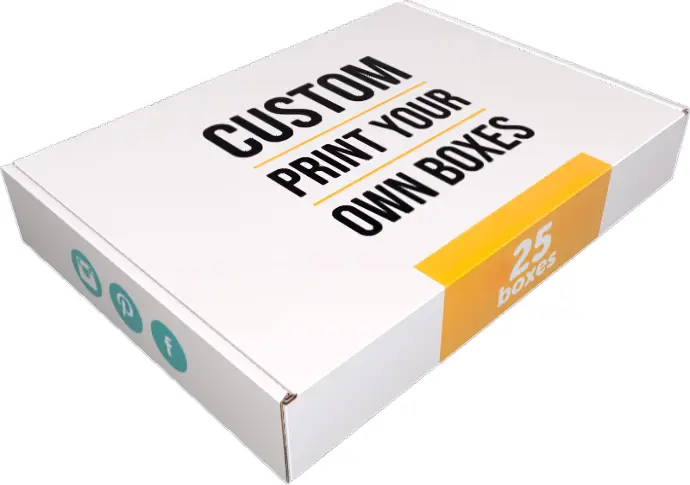
Not all manufacturers are equal. Selecting wisely avoids delays, quality issues, or excessive costs. The best partners don’t just supply boxes — they provide complete product packaging solutions that combine material quality, printing expertise, and sustainable practices. Working with such a manufacturer ensures your packaging aligns with both brand goals and industry requiremen
Key Considerations
- Material Range – Food-safe boards, eco-certified options, rigid boards for luxury.
- Printing Capability – Check if they offer offset, digital, flexo, screen.
- Finishing Options – Do they provide embossing, foil, die-cuts?
- MOQ (Minimum Order Quantity) – Crucial for small businesses.
- Turnaround Time – Standard: 2–3 weeks; rush orders possible.
- Eco-Credentials – FSC-certified, recycled board, water-based inks.
- Cost Transparency – Itemised pricing avoids hidden charges.
- Customer Support – Sampling, revisions, communication reliability.
Common Problems and Solutions
- Colour Mismatch
Solution: Use Pantone references, request physical proofs. - Weak Box Strength
Solution: Match board grade to product weight, test samples before bulk. - Excessive Cost for Small Orders
Solution: Use digital printing, reduce finishes, choose low-MOQ suppliers. - Long Lead Times
Solution: Balance domestic for rush orders, international for bulk. - Sustainability Concerns
Solution: Recycled content, biodegradable coatings, clear recycling labels.
How Packaging Saves Money in the Long Run
- Reduced Returns – Better protection lowers damage rates.
- Marketing Value – Each printed box acts as free advertising.
- Customer Retention – Memorable unboxing improves repeat purchases.
- Premium Pricing Justification – Luxury packaging supports higher retail prices.
👉 Example: If better packaging reduces return rates from 10% to 2%, a company shipping 1,000 units monthly at £20 each saves £16,000 per year.
Final Thoughts
Custom printed box are an investment, not an expense. While costs vary based on printing method, material, finishes, and order size, the returns come in the form of stronger branding, reduced product loss, increased customer loyalty, and free marketing exposure.
The smartest businesses treat packaging as a strategic asset — carefully balancing cost efficiency with brand impact. By understanding cost factors, comparing manufacturers, and making informed design choices, you can turn packaging from a budget concern into a profit-generating advantage.
