
Paper is one of the most common waste materials found in homes and modern office spaces. Although it is a goal of most people to help the environment, it can sometimes be a little confusing to sort through daily trash. Not all paper waste can be used in the paper mill. Items wrongly placed in the yellow bin can lead to ruining an entire batch of good material. Knowing what types of paper can be recycled helps to make waste management easier and very effective every day.
Standard Office and Printer Paper
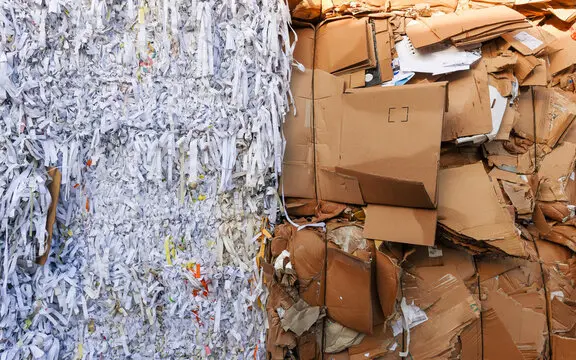
The typical paper most commonly used with local waste facilities is standard white printer paper. This encompasses notebook pages, written letters, sticky notes, and regular mail envelopes. Small staples and paper clips can be thrown away without having to be removed first since large processing machines are able to remove tiny metal pieces from the waste. When you need to properly dispose of large volumes of old office documents, you should always recycle paper to prevent local landfills from overflowing. Document shreds may sometimes present problems at the normal waste collection centres, so please consult your local council's guidelines on shredded materials.
Cardboard and Shipping Boxes
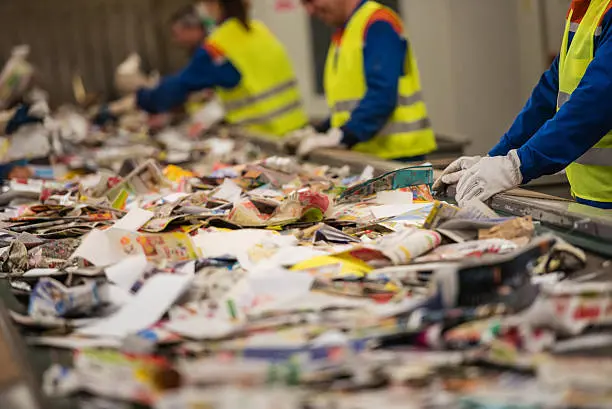
As the online shopping craze has taken off, corrugated cardboard boxes are accumulating in homes across the country. Fortunately, packages that are thick and packages with thin materials are very useful in processing facilities. Empty cereal boxes, shoe boxes, and paper towel rolls fall into the sorting bin. It's important to always flatten all of your cardboard boxes so you can get as much into your outdoor bin as possible. Large boxes are easier to break down so that local collection trucks can collect more waste. Just remember to remove large strips of plastic packing tape from the boxes before throwing them away.
Newspapers and Glossy Magazines
It's a common misconception that people think that shiny magazines and bright, colorful catalogs cannot be processed. Glossy coatings and heavy inks were a problem at recycling plants in the past. With today's technology, the colorful ink used on newspaper pages and promotional flyers can be easily managed. Old phone books, travel brochures and weekly magazines can be put directly in your sorting bin. The heavy inks will be removed in the pulping process. These heavy piles of books out of the trash bin is a great space saver.
Paper Items to Keep Out of the Bin
There are certain items that are safe to process, while some common items should be moved to the regular garbage. The fibers on paper towels, facial tissues, or dirty paper napkins are too short and contain bacteria, so they cannot be processed. Grease-soaked pizza boxes and food-stained paper plates will ruin clean batches of material because water cannot separate oil from paper fibers. A special chemical is applied to shiny store receipts, which makes them completely unrecyclable. To avoid general contamination, never place grease, dirt, and chemically treated paper products in your clean sorting bin.
Conclusion
Sorting your household waste correctly is an easy way to protect the environment and conserve natural resources. If you know what goes in each bin, you're helping to create a much cleaner community. Valuable documents for processing plants are standard office paper, flat cardboard boxes, and glossy magazines. However, dirty napkins, greased food boxes, and chemically treated receipts from the store should always be thrown in the regular garbage. Keep this simple guide in mind during your daily routine to ensure your recycling efforts are successful and truly beneficial for the environment.
