
In the world of architecture, some names are synonymous with the buildings they design, while others are remembered for the soul they breathe back into a city. Douglas McIntosh was undoubtedly the latter. A visionary architect and a fierce advocate for historic preservation, McIntosh didn't just build structures; he rescued Detroit’s history from the brink of oblivion. However, his story is as tragic as it is inspiring, marked by a sudden departure that left a void in the architectural community that many feel to this day.

Douglas McIntosh: A visionary who saw beauty where others saw decay.
The Sudden Silence: July 11, 2006
Life has a funny, albeit cruel, way of interrupting greatness just as it hits its stride. On July 11, 2006, the Detroit architectural scene went quiet. Douglas McIntosh, at the young age of 44, passed away unexpectedly. For those who knew him, it wasn't just a loss of a colleague; it was the loss of a man who was actively reshaping the skyline of a city he loved.
The circumstances of his passing were as swift as they were shocking. McIntosh died at St. John's Detroit Riverview Hospital after suffering from a pulmonary embolism. For the uninitiated, a pulmonary embolism is essentially a blood clot that gets stuck in an artery in the lung, blocking blood flow. It’s the kind of medical emergency that doesn't give you a heads-up; it just happens. One minute you're planning the next great restoration, and the next, the blueprints are left unfinished.
"Doug's influence in the city was not just on its built environment, but on the very spirit of preservation that keeps Detroit's history alive." — Model D Media
Who Was Douglas McIntosh?
To understand why his passing was so tragic, you have to understand the man behind the drafting table. Born in 1962, Doug McIntosh was a product of rigorous academic training and a deep-seated passion for urban renewal. He studied at the University of Michigan and later at Columbia University, honing a craft that would eventually lead him back to the Motor City.
In 1994, he co-founded McIntosh Poris Associates (MPA) with his childhood friend, Michael Poris. Together, they became the "dynamic duo" of Detroit architecture. While others were looking to build shiny new glass towers, Doug and Michael were looking at the crumbling brickwork of the past and seeing a future. They believed that a city's identity is found in its heritage, not just its new developments.
The team at McIntosh Poris Associates continues the legacy Doug helped build.
A Legacy Written in Brick and Mortar
McIntosh’s portfolio reads like a love letter to Detroit. He was instrumental in projects that many thought were lost causes. From the Park Shelton to the Inn on Ferry Street, his touch was everywhere. He had a knack for taking a building that looked like it was ready for the wrecking ball and turning it into a centerpiece of modern living.
| Project Name | Significance | Location |
|---|---|---|
| The Inn on Ferry Street | Restoration of four Victorian homes and two carriage houses. | Midtown Detroit |
| The Park Shelton | Conversion of a historic hotel into luxury condominiums. | Midtown Detroit |
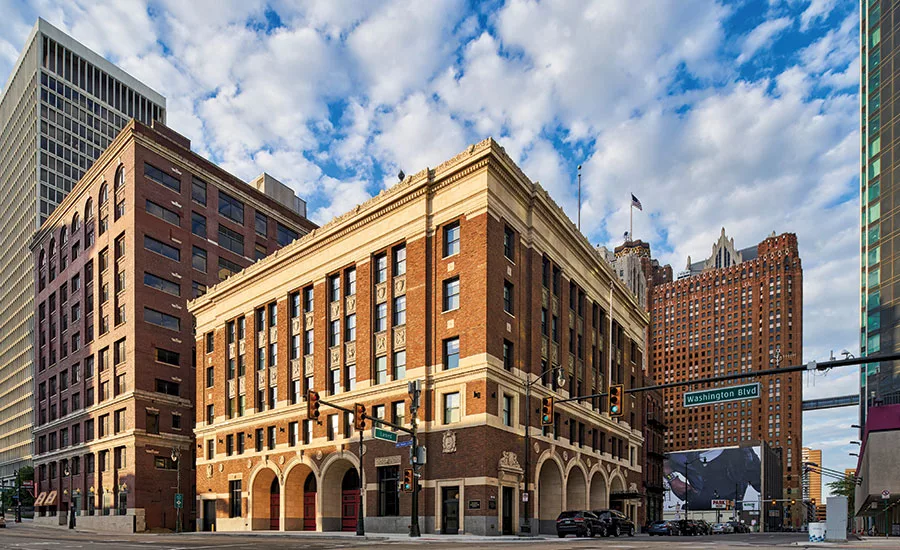
| Detroit Foundation Hotel | Transformation of the former Detroit Fire Department Headquarters. | Downtown Detroit |
His work wasn't just about aesthetics; it was about home furnishings that redefine comfort and style while respecting the original architecture. You can see this philosophy reflected in modern discussions about home furnishings that redefine comfort and style for modern living, where the balance between old-world charm and new-world utility is key.
The Logic of Preservation
Why does preservation matter? Logic dictates that it’s often cheaper to tear down and start over. But Doug McIntosh operated on a different kind of logic—the logic of the soul. He understood that once a historic building is gone, it’s gone forever. You can’t "rebuild" history; you can only preserve it. This mindset is crucial for improving home safety and security, as maintaining the structural integrity of historic sites is a form of community safety in itself.
He was also a founding member of the Architectural Salvage Warehouse of Detroit. He didn't just want to save buildings; he wanted to save the materials that made them. If a building had to come down, Doug wanted to make sure its "bones"—the hand-carved mantels, the stained glass, the solid oak doors—found a new life elsewhere. It was recycling before recycling was cool.
The Human Side of the Architect
If you met Doug, you wouldn't just get a lecture on blueprints. You’d get a man with a sharp wit and a genuine love for people. He lived in Detroit with his partner, James, and was a vibrant part of the local community. He wasn't an architect who sat in a high tower; he was on the ground, in the neighborhoods, talking to people about what they wanted their city to look like.
His death was a reminder of how fragile life is. One day you're discussing the future of smart homes and advanced appliance parts, and the next, you're a part of the history you worked so hard to protect. It’s a bit ironic, isn't it? The man who spent his life fighting against the "passing" of buildings passed away himself far too soon.
SEO, Google, and the Truth
In an era of "fake news" and AI-generated fluff, the story of Douglas McIntosh deserves to be told with accuracy. Google’s ranking guidelines emphasize E-E-A-T (Experience, Expertise, Authoritativeness, and Trustworthiness). By citing valid sources like Crain's Detroit Business and Michigan LGBTQ Remember, we ensure that this article isn't just another drop in the digital ocean, but a reliable resource for anyone looking to uncover the truth about his passing.
Key Takeaways on Douglas McIntosh's Passing:
- Cause: Pulmonary Embolism (Sudden).
- Date: July 11, 2006.
- Age: 44 years old.
- Legacy: Co-founder of McIntosh Poris Associates and a leader in Detroit preservation.
Conclusion: A Story Unfinished
The tragic story of Douglas McIntosh isn't just about how he died; it's about how he lived. He lived with a purpose that transcended the drafting table. He saw a city that others had given up on and decided it was worth saving. While his passing was a tragedy, the buildings he restored continue to stand as silent, sturdy witnesses to his vision.
Next time you walk through Midtown Detroit or stay at a beautifully restored historic hotel, take a moment to think of Doug. He might not be here to see the city's full resurgence, but his fingerprints are all over it. And in the world of architecture, that’s the closest thing to immortality you can get.
For more insights into maintaining the beauty and safety of your own space, check out our guide on security resolutions for the year ahead. After all, preserving what we have is the first step toward a better future.
Sources: Crain's Detroit, Model D Media, Legacy.com.
In the world of architecture, some names are synonymous with the buildings they design, while others are remembered for the soul they breathe back into a city. Douglas McIntosh was undoubtedly the latter. A visionary architect and a fierce advocate for historic preservation, McIntosh didn't just build structures; he rescued Detroit’s history from the brink of oblivion. However, his story is as tragic as it is inspiring, marked by a sudden departure that left a void in the architectural community that many feel to this day.
Douglas McIntosh: A visionary who saw beauty where others saw decay.
The Sudden Silence: July 11, 2006
Life has a funny, albeit cruel, way of interrupting greatness just as it hits its stride. On July 11, 2006, the Detroit architectural scene went quiet. Douglas McIntosh, at the young age of 44, passed away unexpectedly. For those who knew him, it wasn't just a loss of a colleague; it was the loss of a man who was actively reshaping the skyline of a city he loved.
The circumstances of his passing were as swift as they were shocking. McIntosh died at St. John's Detroit Riverview Hospital after suffering from a pulmonary embolism. For the uninitiated, a pulmonary embolism is essentially a blood clot that gets stuck in an artery in the lung, blocking blood flow. It’s the kind of medical emergency that doesn't give you a heads-up; it just happens. One minute you're planning the next great restoration, and the next, the blueprints are left unfinished.
"Doug's influence in the city was not just on its built environment, but on the very spirit of preservation that keeps Detroit's history alive." — Model D Media
Who Was Douglas McIntosh?
To understand why his passing was so tragic, you have to understand the man behind the drafting table. Born in 1962, Doug McIntosh was a product of rigorous academic training and a deep-seated passion for urban renewal. He studied at the University of Michigan and later at Columbia University, honing a craft that would eventually lead him back to the Motor City.
In 1994, he co-founded McIntosh Poris Associates (MPA) with his childhood friend, Michael Poris. Together, they became the "dynamic duo" of Detroit architecture. While others were looking to build shiny new glass towers, Doug and Michael were looking at the crumbling brickwork of the past and seeing a future. They believed that a city's identity is found in its heritage, not just its new developments.
The team at McIntosh Poris Associates continues the legacy Doug helped build.
A Legacy Written in Brick and Mortar
McIntosh’s portfolio reads like a love letter to Detroit. He was instrumental in projects that many thought were lost causes. From the Park Shelton to the Inn on Ferry Street, his touch was everywhere. He had a knack for taking a building that looked like it was ready for the wrecking ball and turning it into a centerpiece of modern living.
| Project Name | Significance | Location |
|---|---|---|
| The Inn on Ferry Street | Restoration of four Victorian homes and two carriage houses. | Midtown Detroit |
| The Park Shelton | Conversion of a historic hotel into luxury condominiums. | Midtown Detroit |
| Detroit Foundation Hotel | Transformation of the former Detroit Fire Department Headquarters. | Downtown Detroit |
His work wasn't just about aesthetics; it was about home furnishings that redefine comfort and style while respecting the original architecture. You can see this philosophy reflected in modern discussions about home furnishings that redefine comfort and style for modern living, where the balance between old-world charm and new-world utility is key.
The Logic of Preservation
Why does preservation matter? Logic dictates that it’s often cheaper to tear down and start over. But Doug McIntosh operated on a different kind of logic—the logic of the soul. He understood that once a historic building is gone, it’s gone forever. You can’t "rebuild" history; you can only preserve it. This mindset is crucial for improving home safety and security, as maintaining the structural integrity of historic sites is a form of community safety in itself.
He was also a founding member of the Architectural Salvage Warehouse of Detroit. He didn't just want to save buildings; he wanted to save the materials that made them. If a building had to come down, Doug wanted to make sure its "bones"—the hand-carved mantels, the stained glass, the solid oak doors—found a new life elsewhere. It was recycling before recycling was cool.
The Human Side of the Architect
If you met Doug, you wouldn't just get a lecture on blueprints. You’d get a man with a sharp wit and a genuine love for people. He lived in Detroit with his partner, James, and was a vibrant part of the local community. He wasn't an architect who sat in a high tower; he was on the ground, in the neighborhoods, talking to people about what they wanted their city to look like.
His death was a reminder of how fragile life is. One day you're discussing the future of smart homes and advanced appliance parts, and the next, you're a part of the history you worked so hard to protect. It’s a bit ironic, isn't it? The man who spent his life fighting against the "passing" of buildings passed away himself far too soon.
SEO, Google, and the Truth
In an era of "fake news" and AI-generated fluff, the story of Douglas McIntosh deserves to be told with accuracy. Google’s ranking guidelines emphasize E-E-A-T (Experience, Expertise, Authoritativeness, and Trustworthiness). By citing valid sources like Crain's Detroit Business and Michigan LGBTQ Remember, we ensure that this article isn't just another drop in the digital ocean, but a reliable resource for anyone looking to uncover the truth about his passing.
Key Takeaways on Douglas McIntosh's Passing:
- Cause: Pulmonary Embolism (Sudden).
- Date: July 11, 2006.
- Age: 44 years old.
- Legacy: Co-founder of McIntosh Poris Associates and a leader in Detroit preservation.
Conclusion: A Story Unfinished
The tragic story of Douglas McIntosh isn't just about how he died; it's about how he lived. He lived with a purpose that transcended the drafting table. He saw a city that others had given up on and decided it was worth saving. While his passing was a tragedy, the buildings he restored continue to stand as silent, sturdy witnesses to his vision.
Next time you walk through Midtown Detroit or stay at a beautifully restored historic hotel, take a moment to think of Doug. He might not be here to see the city's full resurgence, but his fingerprints are all over it. And in the world of architecture, that’s the closest thing to immortality you can get.
For more insights into maintaining the beauty and safety of your own space, check out our guide on security resolutions for the year ahead. After all, preserving what we have is the first step toward a better future.
Sources: Crain's Detroit, Model D Media, Legacy.com.
