
Color 90828d is a hex code for a muted, grayish purple that's often called dark grayish magenta or dusky lavender. I've always thought of it as that subtle shade you spot in cozy sweaters or modern websites, blending pink and gray in a way that's calm and sophisticated.
I remember the first time I came across a color like this while redesigning my home office. It wasn't exactly 90828d, but close enough—it turned a boring wall into something that felt relaxing without being too bold. That's what draws me to these muted tones; they add personality without screaming for attention. Let me walk you through what this color really means and how you can use it.
Understanding Hex Colors: Starting with 90828d
Hex codes are like secret labels for colors on computers and screens. They're made up of six letters or numbers after a # sign, telling devices how much red, green, and blue to mix. For 90828d, it's a code that creates this soft purple-gray hue.
I like to think of hex codes as recipes. The first two digits are for red, the next for green, and the last for blue. In 90828d, '90' means a decent amount of red, '82' a bit less green, and '8d' blue that's right in the middle. This balance gives it that dusty look, not too bright or dark.
Why do we use hex? It's simple for web designers and apps. If you're tinkering with a website, plugging in #90828d changes the background instantly. I've used similar codes in my writing tools to customize themes, and it makes everything feel more personal.
But hex isn't the only way to describe colors. There's RGB, which stands for red, green, blue. For this one, it's RGB(144, 130, 141). That's out of 255 for each, so it's medium intensity. Then HSL—hue, saturation, lightness—where the hue is around 313 degrees, saturation low at 6%, and lightness about 54%. Low saturation means it's not vibrant; it's more neutral, like a foggy morning.
If you're new to this, try online tools. I often pop into sites like ColorHexa to play around. They show you the color swatch and break it down. For 90828d, it looks like a gentle lavender mixed with gray, perfect for backgrounds that don't overwhelm text.

revolutionfabrics.com
One real-world example? Think about branding. Companies use hex codes to keep colors consistent across logos and ads. I once helped a friend with her small business site, and we picked a similar shade for buttons. It made the whole thing look professional yet approachable.
The Technical Breakdown of 90828d
Let's get into the nuts and bolts. The RGB values are 144 red, 130 green, and 141 blue. Red is the highest, giving it a pinkish tint, while green is lowest, pulling it toward purple. Blue keeps it balanced.
In CMYK, used for printing, it's 0% cyan, 10% magenta, 2% yellow, and 44% black. That high black means it's desaturated, not pure. If you're printing flyers, this helps match screen to paper.
Hue-wise, at 313 degrees on the color wheel, it's in the magenta-purple zone. Saturation is just 6%, so it's grayscale-like but with a hint of color. Lightness at 54% makes it mid-tone—not too light or dark.
I find these numbers helpful when mixing paints or digital art. For instance, if I'm using Photoshop, I enter these values directly. It saves time guessing.
Here's a quick way to convert:
- Take the hex: 90 is 144 in decimal (9*16 + 0=144).
- 82 is 130 (8*16 + 2=130).
- 8d is 141 (8*16 + 13=141).
That's how computers read it. I've done this manually for fun, but tools do it faster.
For accessibility, check contrast. This color on white might not pass for text, but as a background with black text, it could work. I always test that in my projects.
The Mood and Psychology of This Color
Colors affect how we feel, and 90828d has a calming vibe. It's like a soft whisper—relaxing, introspective, a bit mysterious. Purple tones often mean creativity or luxury, but the gray mutes it to something more everyday.
In my experience, muted purples like this make spaces feel cozy. Psychologists say purples can soothe anxiety, and the gray adds stability. It's not flashy like bright violet; it's subtle, good for focus.
Think about emotions. Red in it brings warmth, blue coolness, green balance. Together, it's neutral but inviting. I've noticed it in therapy offices or spas, where calm is key.
%20(1).jpg)
One downside? Too much gray can feel dull. But paired right, it sparks interest. For kids, it might not excite, but for adults, it's sophisticated.
A real-world example: Some fashion lines use similar shades for fall collections. I saw it in a J.Crew catalog once—a sweater in dusky lavender that looked elegant without trying hard. It made me buy one, actually.
Overall, this color encourages reflection. If you're stressed, surrounding yourself with it might help unwind.
Real-Life Uses: From Fashion to Home Decor
I've seen 90828d pop up in all sorts of places. In fashion, it's great for neutral outfits. Think scarves or dresses that go with anything. It's not bold, so it flatters most skin tones.
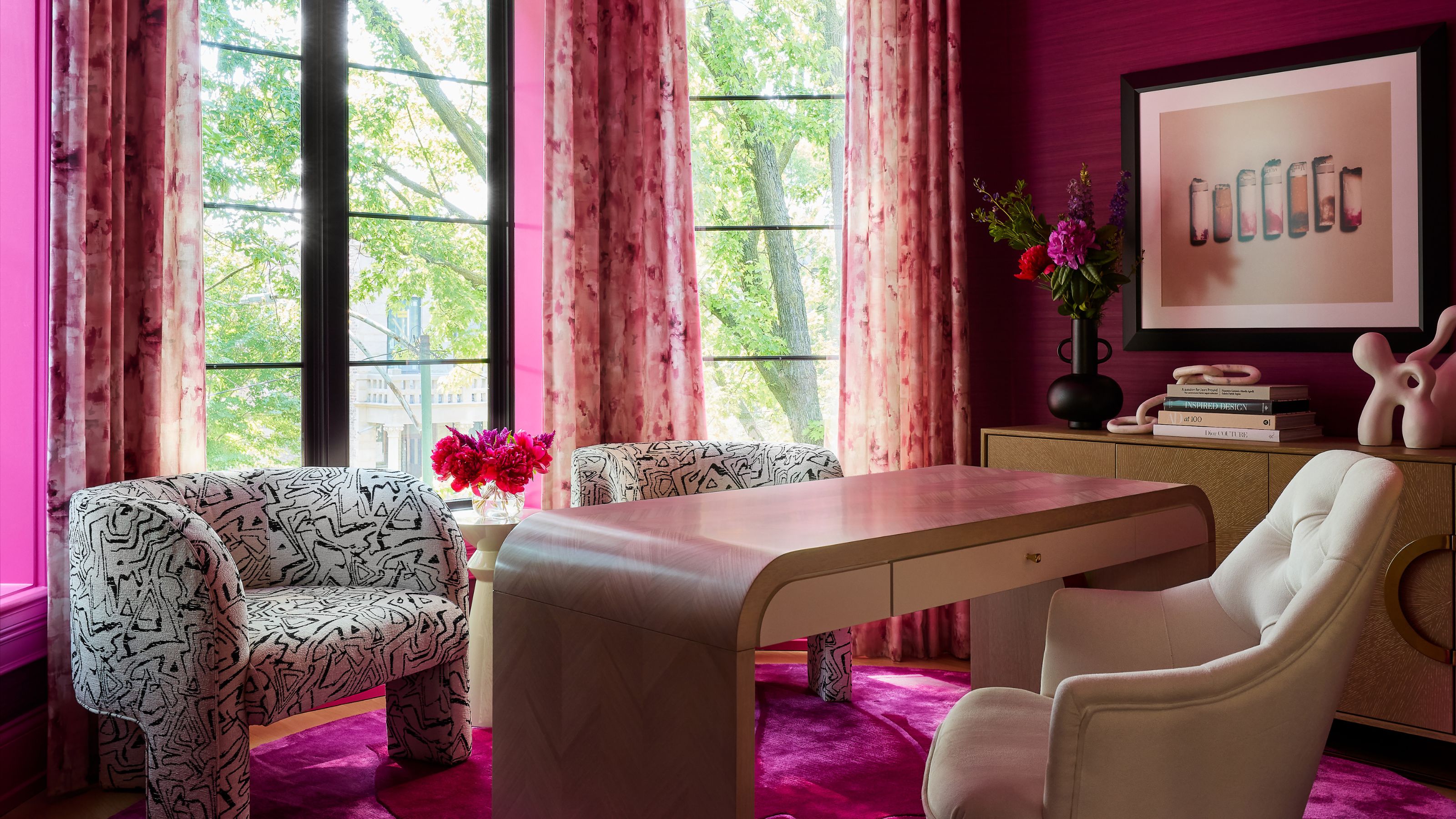
In home decor, paint a wall this color for a serene bedroom. I did something similar in my guest room, and friends always comment on how restful it feels. Mix with whites or woods for contrast.
livingetc.com
Graphic design loves it too. For websites, use it for headers or accents. It's readable and modern. Apps like meditation ones might choose it for backgrounds.
In branding, it's for brands wanting subtlety. A coffee shop could use it for packaging, evoking calm mornings.
Here's where it shines:
- Fashion: Sweaters, ties, accessories.
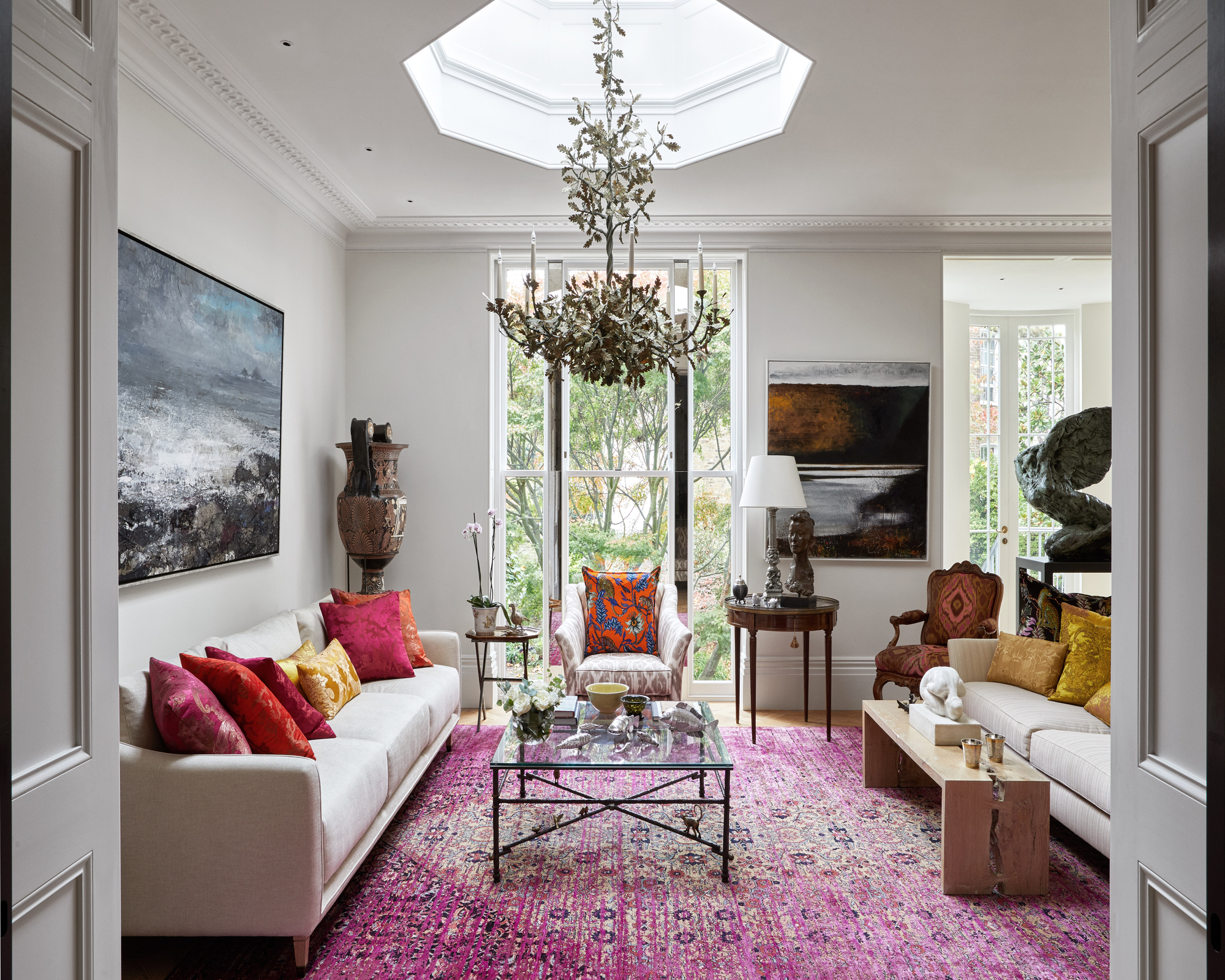
- Interiors: Walls, cushions, rugs.
- Digital: UI elements, logos.
- Art: Backgrounds in paintings.
One example: Starbucks has used muted purples in seasonal cups. Not exact, but close—it ties into their cozy image.
Another: Car interiors. Some models have dashboards in grayish purple for a premium feel. I test-drove one and loved the vibe.
If you're DIY-ing, try it in crafts. Paint frames or vases—easy upgrade.
homesandgardens.com
How to Pair 90828d with Other Colors
Pairing colors is fun, and 90828d plays well with others. Complementary is something like light green, but subtle versions work best. Try #82908c for analogous harmony.
For contrast, white or black. White brightens it, black deepens. I like it with soft yellows for warmth.
Analogous schemes: Stick to nearby purples and grays. #90828f or #90828b for gradients.
Triadic: Add greens and oranges, but muted. #858290 with a soft green.
In practice:
- Choose a base: 90828d for 60%.
- Accent: Brighter color for 30%.
- Neutral: White/black for 10%.
I've used this in PowerPoints—makes slides pop without overwhelming.
For fashion, pair with denim or beige. I wore a shirt this shade with jeans; looked effortless.
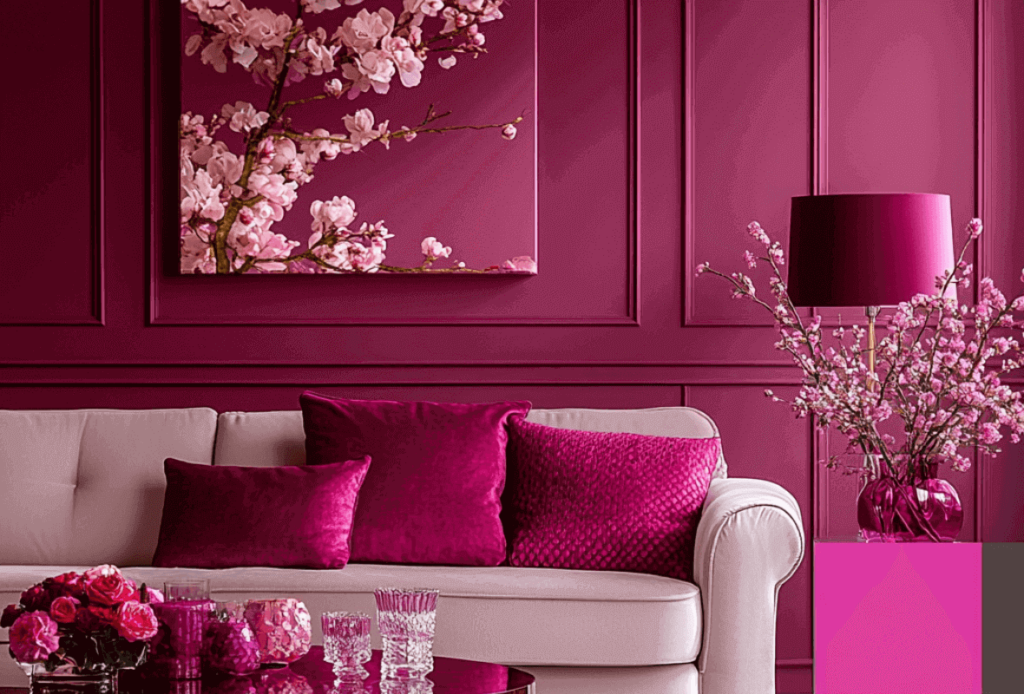
In decor, with wood tones. My coffee table is walnut, and a throw pillow in this color ties it in.
kunstloft.com
Experiment! Online palettes help visualize.
Frequently Asked Questions
What does the hex code 90828d translate to in simple terms?
It's a soft purple-gray color, like lavender mixed with dust. I describe it as muted and calm, great for everyday use. RGB is 144, 130, 141, if that helps.
Is 90828d the same as any famous color name?
Not exactly, but it's close to "old lavender" or "dark taupe." No official Pantone match, but think smoky quartz vibes.
Can I use 90828d for web design without issues?
Yes, but check accessibility. It works for backgrounds, but not small text. I've used it successfully for buttons.
How do I make paint that matches 90828d?
Mix grays with purple tint. Or take the RGB to a store—they can match it. I did this for a project once.
Final Thoughts
Wrapping up, I've shared how 90828d is more than a code—it's a versatile shade that brings subtle elegance to designs, homes, and wardrobes. Whether you're a designer or just curious, playing with it can spark new ideas. Give it a try; you might find it becomes your go-to neutral with a twist.
