
Losing a tooth can feel bigger than you expect. It may change how you chew, how you speak, and how confident you feel when you smile. Some people adjust by eating on the other side or avoiding certain foods; others notice shifting teeth, food trapping, or a change in facial support over time. If you’re exploring replacement options, dental implants are often discussed because they can offer a stable, natural-feeling solution when clinically appropriate.
If you are considering a dental implant in Kirkby Lonsdale in Cumbria, this article explains what implant treatment involves at Lonsdale Dental Practice in Kirkby Lonsdale, in a clear, patient-friendly way. It is written from a dentist’s perspective, so it will also highlight what you should not do—especially DIY approaches and online “shortcuts” that can be unsafe.
Along the way, we’ll answer the most common questions patients ask:
-
What is a dental implant and what does it replace?
-
How is implant treatment planned and performed?
-
Can everyone have an implant, and what decides suitability?
-
Why do implants sometimes fail, and how can you reduce risks?
The aim is not to persuade you into one option. The aim is to give you reliable information so you can make an informed decision based on your individual situation.
What is a dental implant, and what problems can it solve?
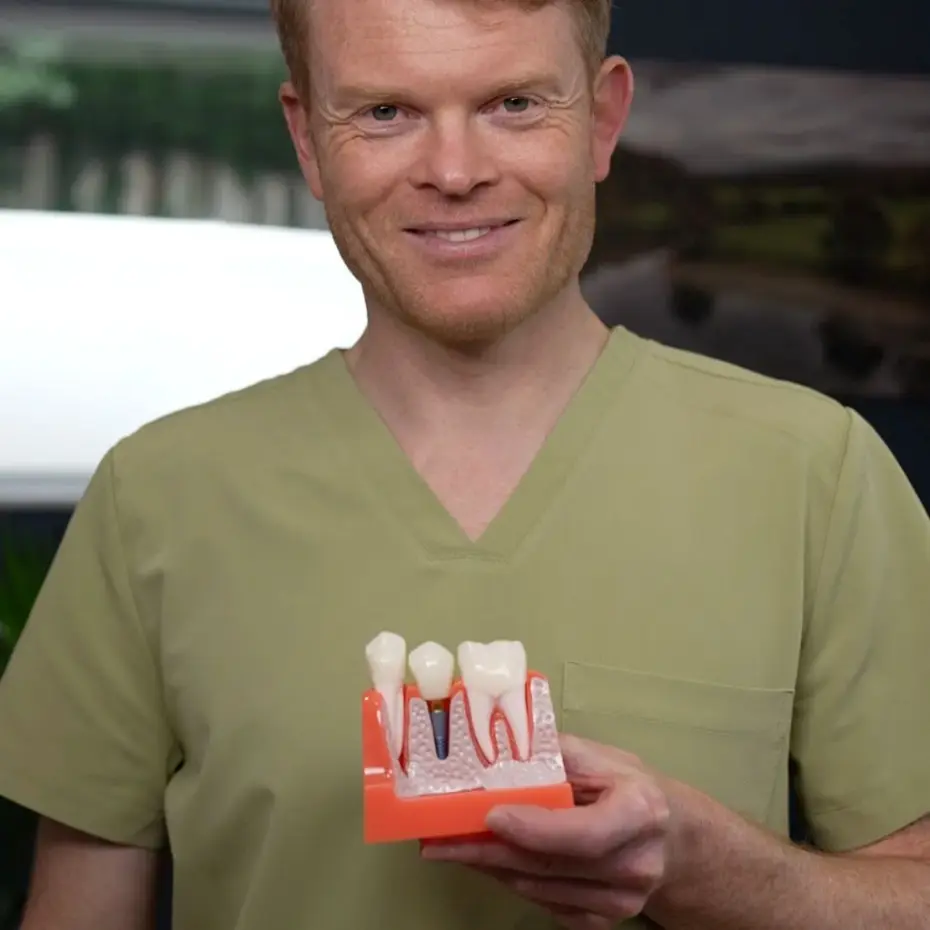
A dental implant is a small medical-grade titanium fixture placed into the jawbone to act as an artificial tooth root. After it heals and integrates with the bone, it supports a tooth replacement such as:
-
A single crown (for one missing tooth)
-
An bridge supported by implants (for several missing teeth)
-
A full-arch restoration (for multiple missing teeth) in suitable cases
Patients often ask what an implant “replaces”. The key idea is that it can replace both function and support. With a missing tooth, you may experience:
-
Chewing imbalance
-
Food trapping
-
Shifting of neighbouring teeth
-
Changes in bite stability
-
Aesthetic changes in the smile line
-
Reduced confidence when speaking or laughing
An implant can help by providing a fixed point of support for a new tooth, rather than relying on removable appliances or putting pressure on adjacent teeth. For many patients, that feels more like having a natural tooth again.
However, implants are not a DIY solution and they are not suitable for everyone without assessment. The success of implant treatment depends on healthy gums, adequate bone, careful planning, and long-term maintenance. An implant is a long-term health decision, not a “quick cosmetic fix”.
How is a dental implant planned at Lonsdale Dental Practice?
Good implant outcomes start long before placement day. Planning is where safety, aesthetics, and predictability are built into the process.
At Lonsdale Dental Practice, planning typically includes:
1) A detailed assessment
We discuss your dental and medical history, your goals (function, appearance, comfort), and any symptoms you’ve noticed.
2) Clinical examination
We assess gum health, bite, the condition of neighbouring teeth, and how you clean at home. Implant success depends on a healthy foundation.
3) Imaging and diagnostics where clinically appropriate
We may use:
-
Digital radiology
-
Panoramic imaging
-
An in-house 3D cone beam CT scan when needed for precise bone assessment
-
Intraoral scanning and photographs to support planning and communication
4) Treatment planning and discussion
We explain:
-
Whether an implant is suitable
-
Where it should be placed
-
What the final tooth will look like
-
The likely stages of treatment
-
Alternative options if implants are not the best choice
Patients sometimes ask why we can’t “just place the implant quickly”. The answer is that implant dentistry is about millimetres. Small differences in placement can affect:
-
Bite comfort
-
Ease of cleaning
-
Gum appearance
-
Long-term stability
-
Aesthetic outcome, especially in the front of the mouth
This is why professional planning—supported by digital workflows—is essential. It’s also why you should avoid making decisions based only on internet photos or one-size-fits-all claims.
What happens during the dental implant procedure?
The details depend on your individual plan, but implant treatment commonly involves staged steps designed to protect healing and predictability.
A typical process may include:
Step 1: Preparing the site (if needed)
If a tooth needs to be removed or the area requires preparation, we plan this carefully. Sometimes a tooth is removed and the area is allowed to heal before placement; in other cases, immediate placement may be considered depending on clinical conditions.
Step 2: Implant placement
The implant is placed into the bone under local anaesthetic, and the area is managed carefully for healing. Many patients are surprised by how manageable the procedure feels with the right planning and anaesthesia.
Step 3: Healing and integration
The implant needs time to integrate with bone. Healing time varies depending on the jaw, bone quality, and whether additional procedures were required.
Step 4: Restoration (the visible tooth)
Once healing is suitable, the implant supports a crown or bridge. Digital impressions with an intraoral scanner may be used for comfort and precision.
Some patients ask whether the tooth can be fitted immediately. In certain cases, immediate load options may be possible, but this depends on stability, bite forces, and clinical judgement. It must be assessed professionally; attempting to “rush” loading without proper conditions can increase risks.
Throughout the process, your dentist should explain what to expect and how to care for the area. If something is unclear, ask—implant treatment should never feel mysterious.
Can everyone have a dental implant in Kirkby Lonsdale in Cumbria?
This is one of the most important questions, because implants are widely advertised, but suitability is always individual.
Factors we assess include:
-
Gum health
Inflammation or gum disease needs stabilisation first. Healthy gums are essential for long-term implant stability.
-
Bone volume and quality
Implants need sufficient bone support. If bone has reduced, additional procedures may be considered, but this depends on the case.
-
General health and medications
Some medical conditions or medications can affect healing. This doesn’t automatically rule out implants, but it influences planning and risk management.
-
Smoking and lifestyle factors
Smoking can increase risk and can affect gum and bone health. A dentist will discuss this openly as part of safe planning.
-
Bite forces and grinding
If you clench or grind, we plan protection. Heavy bite forces can affect long-term outcomes if not managed.
-
Oral hygiene and maintenance ability
Implants require excellent cleaning. If cleaning is difficult due to dexterity issues, we can adapt tools and maintenance plans.
If implants are not the best option for you, there are other safe solutions. A professional assessment ensures you choose the option with the best balance of health, function, and aesthetics for your situation.
Why do some dental implants fail, and how can you reduce the risks?
This is an important “Why” question, because patients often fear that implants are unpredictable. In reality, the main risks are usually identifiable—and preventable—with the right planning and maintenance.
Common risk factors include:
-
Untreated gum disease or inflammation
Plaque-driven inflammation can affect the tissues around implants, just as it does around teeth.
-
Poor oral hygiene over time
Implants don’t get decay, but plaque can still trigger inflammation around them.
-
Smoking
Smoking can impair healing and increase long-term risk.
-
Uncontrolled medical conditions
Certain systemic factors can reduce healing predictability.
-
Excessive bite forces
Grinding can overload an implant restoration. Protective planning is essential.
-
Insufficient planning or incorrect placement
Implant position affects cleanability, aesthetics, and bite comfort. This is why imaging and careful planning matter.
Reducing risks involves:
-
Stabilising gum health before implants
-
Following professional aftercare advice
-
Committing to daily cleaning
-
Attending maintenance visits
-
Reporting bleeding, swelling, or discomfort early
DIY “implant care” advice online can be misleading. Avoid harsh cleaning tools, abrasive powders, or attempts to “tighten” or adjust any implant component at home. If something feels wrong, the safest option is to contact your dental practice.
How do advanced implant options work, such as immediate load and full-arch treatment?
Some patients are missing several teeth or struggle with dentures. In these cases, implant solutions may be designed to replace multiple teeth efficiently and comfortably.
At Lonsdale Dental Practice, implant options may include:
-
Immediate load in suitable cases
-
Rehabilitation on 4 or 6 implants for full-arch needs
-
Computer-guided planning to support precise placement
-
Flapless techniques where clinically appropriate
-
Bone regeneration and maxillary sinus lift procedures when needed
These options can be highly effective, but they are not automatic. Suitability depends on bone, gum health, bite forces, and your overall health profile. Full-arch implant treatment is a bigger journey than a single implant, and it should be planned carefully with clear explanations of stages and expectations.
A common misconception is that you can “choose” an advanced option like a menu item. In reality, your anatomy and clinical situation decide what is safe and predictable.
How should you care for a dental implant after placement?
Aftercare matters because healing and long-term stability rely on healthy tissues.
In the short term after placement, guidance may include:
-
Keeping the area clean with gentle techniques recommended by your dentist
-
Avoiding smoking during healing
-
Following advice about eating and chewing on the area
-
Attending review appointments
Long-term, daily hygiene with implants typically includes:
-
Brushing twice daily with good technique
-
Cleaning between teeth or around implant bridges with suitable tools
-
Attending professional maintenance visits as advised
The most important point is consistency. Implant problems rarely start suddenly. They usually begin as low-grade inflammation that worsens over time if not addressed. Bleeding gums around an implant are not something to ignore.
Avoid DIY approaches like harsh mouth rinses used excessively, improvised scraping tools, or internet “deep cleaning” methods. These can irritate tissues and damage surfaces.
How much does a dental implant cost in Kirkby Lonsdale in Cumbria?
It’s natural to wonder about fees, but implant treatment is highly individual. The cost can vary depending on factors such as:
-
Whether you need a single implant or multiple implants
-
Bone volume and whether additional procedures (such as regeneration) are required
-
The type of final restoration (crown, bridge, full-arch)
-
The complexity of the bite and aesthetic planning
-
The number of appointments and staged steps needed
Because of these variables, the most accurate way to understand what treatment involves is a clinical assessment followed by a personalised plan and estimate based on your specific situation.
Conclusion: Dental implant in Kirkby Lonsdale in Cumbria: Lonsdale Dental Practice
If you are considering a Dental implant in Kirkby Lonsdale in Cumbria, the safest first step is a professional assessment to understand whether implants are suitable for you and what type of plan would deliver a stable, natural-looking result.
Implants can be an excellent way to replace missing teeth, but long-term success depends on careful diagnosis, precise planning, healthy gums, and consistent maintenance. Avoid DIY fixes and online shortcuts—implant dentistry should always be clinician-led and tailored to the individual.
To explore your options and receive a personalised plan in a calm, supportive setting, contact Lonsdale Dental Practice in Kirkby Lonsdale to book an appointment and discuss your next steps.
