
Have you ever wondered what it takes to protect your country? Many people face the choice of joining the military but feel unsure about the path. As a soldier, you step into a role full of duty, discipline, and reward. This guide covers everything about being a soldier. We start with basics and move to tips, benefits, and more. You'll learn how to start, what daily life looks like, and how to thrive as a soldier.
Think of this as your friendly roadmap. Whether you dream of serving or just want to know more, we have you covered. Let's dive in.
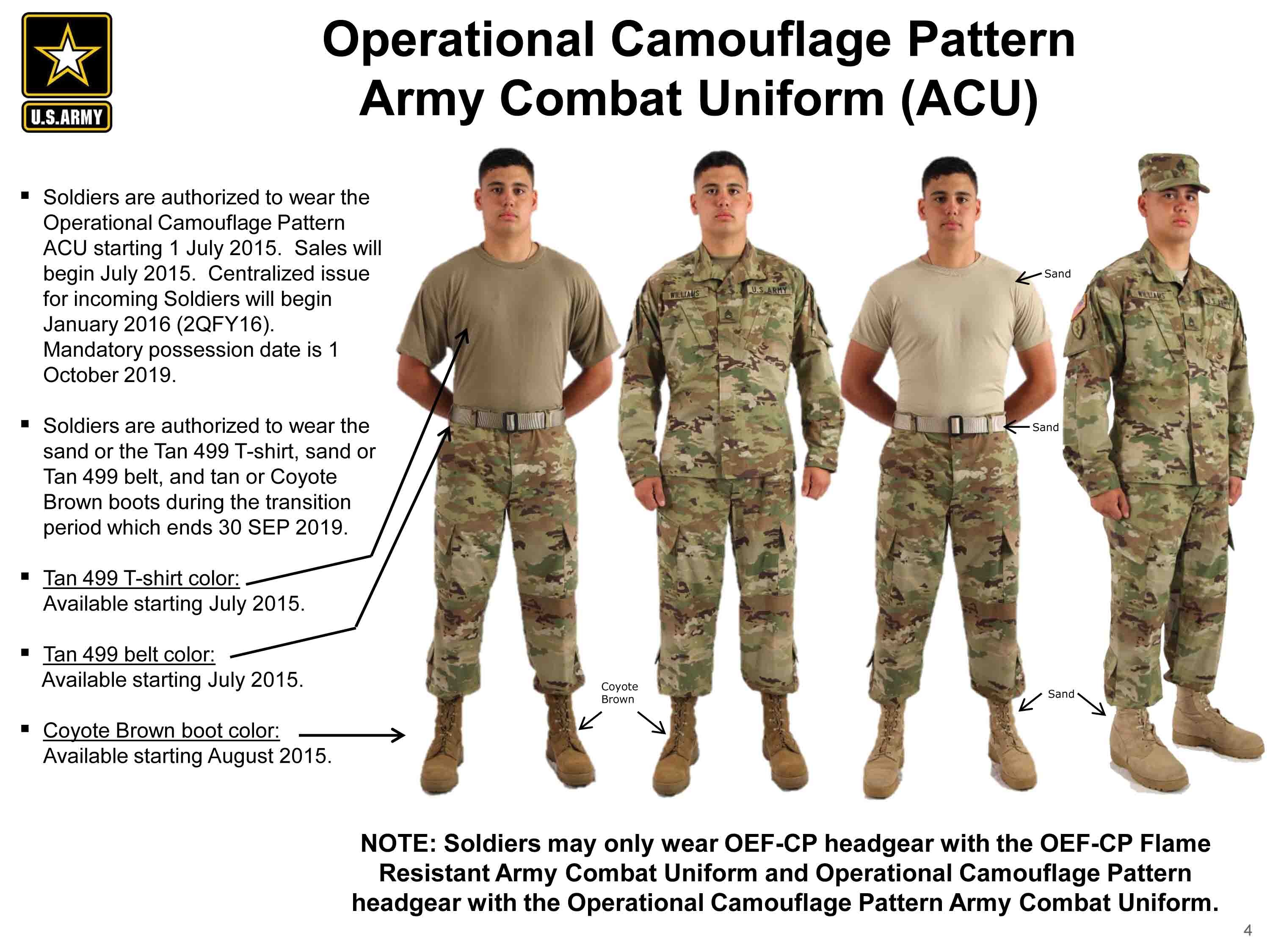
army.mil
Soldiers to field Operational Camouflage Pattern for uniforms | Article | The United States Army
What Is a Soldier?
A soldier serves in the army. You fight to protect your nation. Soldiers can be enlisted or officers. They follow orders and work as a team.
The word "soldier" comes from old words meaning "one who gets paid." In Latin, it links to a coin called solidus. Today, a soldier is a skilled warrior.
Soldiers do more than fight. You guard borders, help in disasters, and train others.
- Enlisted soldier: Starts basic training, follows leaders.
- Officer: Leads teams, makes decisions.
- Reserve soldier: Part-time service, full-time civilian job.
Real example: In the U.S. Army, soldiers protect land from invasion. That's the core role.
How to Become a Soldier
You want to be a soldier? Start here. Talk to a recruiter first. They guide you.
Take an entrance test. It checks your skills. Pass a physical exam too.
Choose an army job. Sign a contract.

youtube.com
U.S. Army Soldiers Conduct Intense Combat Training in Germany (Feb 2024)
Steps to join:
- Meet age and education rules. Usually 17-35 years old, high school diploma.
- Pass background check. No major crimes.
- Complete basic training. 10 weeks of hard work.
- Pick a specialty. Like infantry or medic.
Pitfall: Don't rush. Research branches like Army or Navy. Example: A young person joins reserves to balance college.
For more on careers, check our business tips at https://www.bigwritehook.co.uk/blog/business-5.
How Soldier Training Works
Training builds you strong. It starts with boot camp. You learn basics like marching and shooting.
Then, advanced training for your job. It teaches skills.
Training uses real scenarios. You practice in fields or simulators.
Key parts:
- Physical fitness: Run, push-ups, obstacles.
- Weapons handling: Safe use of guns.
- Team drills: Work with others.
Humor: Training is tough – like running with a backpack full of rocks. But it makes you tough!
Nuance: Training adapts for women and men. All meet same standards.
Example: U.S. Army boot camp at Fort Jackson. Soldiers train in groups, building bonds.

runningmagazine.ca
Why runners should try a military workout (and how to do it right) - Canadian Running Magazine
Benefits of Being a Soldier
Being a soldier pays off. You get steady pay and health care.
Benefits include:
- Pay: Starts around $20,000 a year, plus bonuses.
- Education: Free college through GI Bill.
- Housing: On-base living or allowance.
- Travel: See the world on deployments.
- Retirement: Pension after 20 years.
Use cases: A soldier uses benefits to buy a home. Or studies engineering for free.
Logic: Service gives skills for civilian jobs. Like leadership.
Fact: Over 1 million active soldiers in U.S. forces.
Pitfall: Benefits vary by country. Check your nation's rules.
Types of Soldiers and Use Cases
Soldiers come in types. Each has roles.
Types:
- Infantry soldier: Front-line fighter.
- Engineer soldier: Builds bridges, clears mines.
- Medical soldier: Treats wounds.
Use cases in bullets:
- Combat: Defend against attacks.
- Peacekeeping: Help in UN missions.
- Disaster aid: Rescue after floods.
- Training allies: Teach other armies.
Real-world example: Soldiers in Afghanistan trained local forces. Nuances: Special forces like Green Berets do secret missions.
For more on history, see our general knowledge section: https://www.bigwritehook.co.uk/blog/general-knowledge-24.
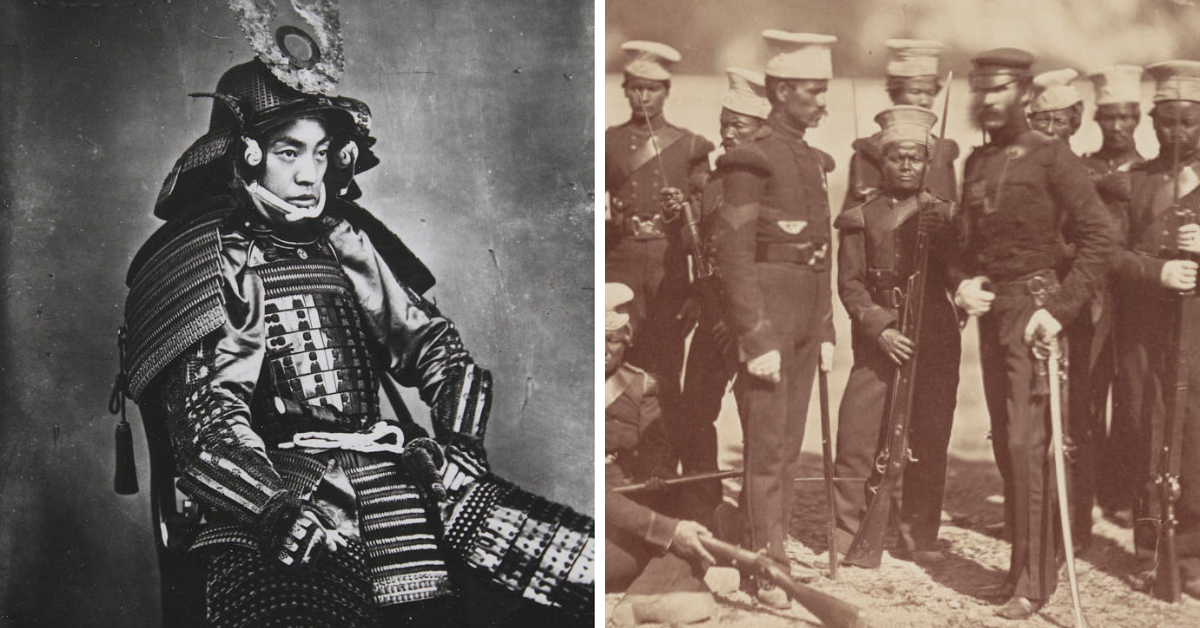
warhistoryonline.com
The Most Feared Warriors In Military History | War History Online
How to Choose the Right Military Branch
Choose wisely. Each branch fits different people.
Criteria:
- Army: Ground focus, large force.
- Navy: Sea operations, ships.
- Air Force: Flying, tech.
- Marines: Quick response, tough.
Ask yourself: Do you like land, sea, or air?
Tips:
- Talk to veterans.
- Visit recruiting offices.
- Consider family needs.
Example: If you love tech, pick Air Force. Pitfall: Don't join for money alone. Passion matters.
Best Practices for Soldier Life
Live smart as a soldier. Follow these tips.
Use imperatives:
- Stay fit. Exercise daily.
- Follow orders. It keeps you safe.
- Build relationships. Teamwork wins.
Examples:
- Eat healthy: Avoid junk during deployments.
- Learn skills: Take online courses.
Humor: Remember, camouflage works – but not for hiding from chores!
Checklist:
- Pack essentials for field.
- Communicate with family.
- Seek help for stress.
Real scenario: A soldier uses apps to stay connected home.
Daily Workflow of a Soldier
A soldier's day starts early. Wake at 5 AM.
Workflow:
- Morning PT: Physical training.
- Breakfast: Quick meal.
- Duties: Patrol or office work.
- Training: Drills or classes.
- Evening: Free time or more tasks.
Integration: Work with teams. Use tech like radios.
Example: In base, you maintain gear. In field, you scout areas.
Nuance: Days vary. Combat is intense, peacetime is routine.

army.mil
Training fact sheet: Training exercises | Article | The United States Army
Maintenance and Troubleshooting for Soldiers
Stay healthy. Soldiers face challenges.
Maintenance tips:
- Sleep well: Aim for 7 hours.
- Eat balanced: Proteins and veggies.
- Mental health: Talk to counselors.
Troubleshooting common issues:
- Injury: Follow rehab plans.
- Stress: Use breathing exercises.
- Homesickness: Call home weekly.
Pitfall: Ignore pain – it worsens. Example: A soldier recovers from sprain with rest.
Fact: Army offers free mental health support.
History of Soldiers
Soldiers have a long past. Ancient armies had foot soldiers.
Key facts:
- Romans: Professional legions.
- Middle Ages: Knights in armor.
- Modern: Tech like drones.
Famous soldiers: Alexander the Great conquered vast lands.
Learn more in our biographies: https://www.bigwritehook.co.uk/blog/biographies-16.

thescroller.net
20 Famous Soldiers Who Changed History
Career Advancement as a Soldier
Advance your rank. Start as private, aim for sergeant.
How:
- Perform well.
- Take tests.
- Gain experience.
Benefits: Higher pay, leadership.
Example: Enlisted to officer path. Nuances: Education helps promotion.
Integration with Civilian Life
Soldiers transition out. Use skills in jobs.
Tips:
- Update resume with military terms.
- Network with veterans.
- Use VA benefits.
Example: A soldier becomes a police officer. Pitfall: Adjust to less structure.
For health tips, see https://www.bigwritehook.co.uk/blog/health-7.
FAQs
What age can you become a soldier?
You can join at 17 with permission, up to 35 in many armies. Check local rules.
Do soldiers get paid well?
Yes, base pay plus allowances. It grows with rank.
What is basic training like?
It's 10 weeks of physical and mental tests. You learn discipline.
Can women be soldiers?
Yes, in most modern armies. They serve in all roles.
How long is a soldier's contract?
Usually 4-6 years active, plus reserves.
What if I get injured as a soldier?
You get medical care and possible disability benefits.
Bottom Line
Being a soldier offers purpose, skills, and benefits. You protect others and grow strong. This guide shows the path is clear if you commit. Soldier life builds character and opens doors.
