
Introduction: Beyond the Shiver and Shake
Remember the good old days? When taking a temperature involved a glass tube, a silver liquid, and a vigorous shake that often felt more like a dance move than a medical procedure? Well, those days are largely behind us, thanks to the advent of the digital thermometer. These sleek, often colorful gadgets have revolutionized how we measure temperature, whether it's for a sick child, a perfectly roasted chicken, or even a precise industrial process. But like any technological marvel, they come with their own set of perks and quirks. Let's dive deep into the world of digital thermometers, exploring their undeniable advantages and their less-talked-about disadvantages.
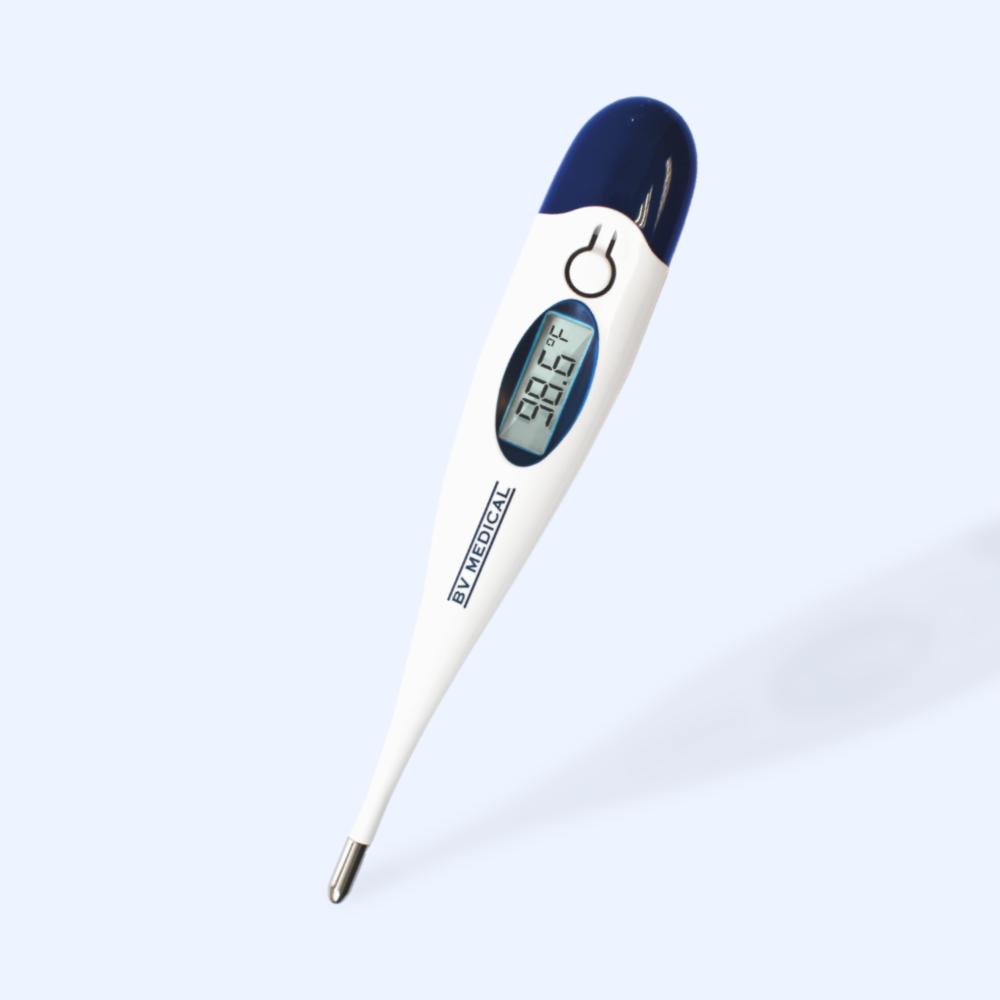
How Do Digital Thermometers Work? A Peek Under the Hood
Before we dissect the pros and cons, let's briefly understand the magic behind these modern marvels. Digital thermometers don't rely on expanding liquids like their mercury counterparts. Instead, they typically employ thermistors or thermocouples as their temperature-sensing elements [1].
- Thermistors: These are resistors whose resistance changes significantly with temperature. The thermometer measures this resistance and converts it into a temperature reading, which then appears on a digital display. They are known for their high accuracy and rapid response within a specific temperature range [2].
- Thermocouples: These devices consist of two dissimilar metals joined at one end. When this junction is heated or cooled, it produces a voltage that correlates with the temperature. Thermocouples are robust and can measure a much wider range of temperatures, making them ideal for industrial applications and high-heat cooking [3].
Both technologies translate physical changes into electrical signals, which a microchip then processes and displays as a numerical value. It's a neat trick, isn't it? A tiny chip doing all the heavy lifting, sparing us the squinting and guessing games of yesteryear.
The Bright Side: Advantages of Digital Thermometers
Digital thermometers have earned their spot in our homes and workplaces for several compelling reasons. They offer a blend of convenience, precision, and safety that traditional thermometers simply can't match.
1. Speed and Efficiency: No More Waiting Games
One of the most celebrated advantages of digital thermometers is their speed. Gone are the days of holding a thermometer under your tongue for five minutes, wondering if you're actually getting hotter or just bored. Most digital models provide a reading in a matter of seconds, often within 10 to 60 seconds [4]. This rapid response is invaluable, especially when dealing with squirming toddlers or a rapidly cooking steak. Imagine the relief of a parent getting a quick, accurate temperature reading from a restless child! It's a game-changer for busy households and professional kitchens alike.

2. Accuracy and Precision: Trusting the Numbers
While traditional thermometers can be accurate, digital versions often boast superior precision. They can display temperatures to one or even two decimal places, offering a more granular understanding of the situation [5]. This level of detail is crucial in medical diagnostics, where even a slight temperature deviation can be significant. For culinary enthusiasts, precise temperature control means the difference between a perfectly medium-rare roast and a culinary disaster. The consistent and reliable readings build web trust and confidence in the device.
3. Ease of Reading: A Clear Display for All
Let's be honest, reading the tiny mercury column in a glass thermometer was an art form. The glare, the angle, the ever-so-slight tremor in your hand – it all contributed to potential misreadings. Digital thermometers, with their clear, backlit LCD screens, eliminate this struggle. The temperature is displayed in large, easy-to-read numbers, making them accessible for everyone, from those with perfect vision to those who left their reading glasses in another room. This user-friendly design enhances the overall user experience.
4. Safety First: Mercury-Free and Shatterproof
Perhaps the most significant advantage, particularly for medical applications, is the absence of mercury. Mercury is a toxic substance, and a broken mercury thermometer posed a serious health risk and a messy cleanup challenge. Digital thermometers are mercury-free, making them a much safer option for homes, hospitals, and food preparation areas. Furthermore, many digital models are made from durable plastics, reducing the risk of breakage compared to fragile glass thermometers. This safety aspect is a major selling point for families and professionals alike.
5. Versatility: One Gadget, Many Uses
Digital thermometers come in a dazzling array of forms, each tailored for specific needs. We have oral, rectal, and armpit thermometers for medical use; infrared forehead and ear thermometers for contactless convenience; and probe thermometers for culinary masterpieces. Some even offer advanced features like memory recall, fever alarms, and connectivity to smartphone apps. This versatility means you can find a digital thermometer perfectly suited for almost any temperature-measuring task, from checking your baby's fever to ensuring your BBQ is cooked to perfection. Speaking of BBQ, a good thermometer supplier can offer a wide range of specialized digital thermometers for all your grilling needs.
6. Hygiene: Contactless Options for a Cleaner World
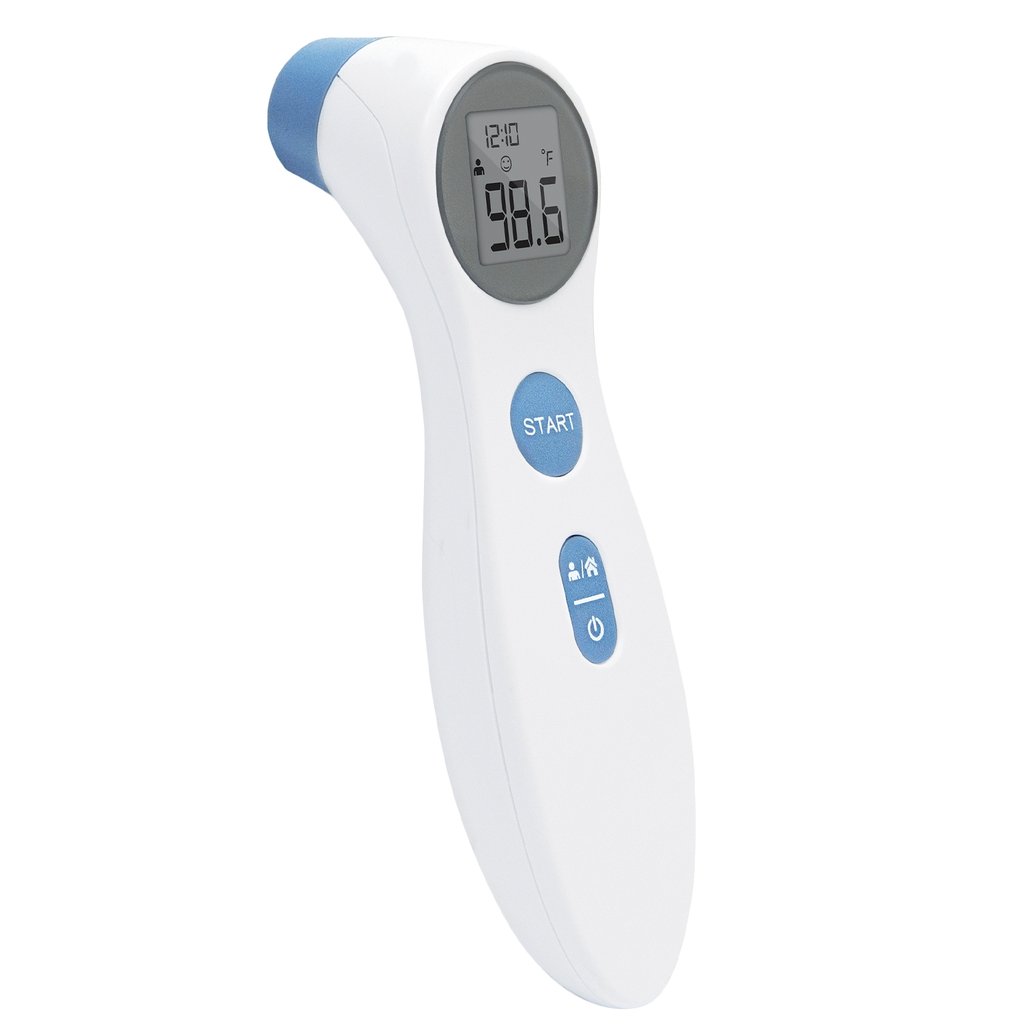
In an age where hygiene is paramount, contactless digital thermometers, such as infrared forehead and ear thermometers, offer a significant advantage. They allow temperature measurement without physical contact, drastically reducing the risk of cross-contamination and the spread of germs [6]. This feature is particularly valuable in public health settings, schools, and even at home when multiple family members might need their temperature checked. It's a small step for a thermometer, a giant leap for public health.
The Other Side of the Coin: Disadvantages of Digital Thermometers
While digital thermometers are undeniably fantastic, they aren't without their drawbacks. Understanding these limitations helps us make informed choices and manage expectations.
1. Battery Dependence: The Power Problem
Here's a classic modern dilemma: your digital thermometer is dead because the battery ran out. Unlike their analog ancestors, digital thermometers require power, usually from small button-cell batteries. This means they can fail unexpectedly if the battery dies, often at the most inconvenient times. Keeping spare batteries on hand is a must, and the environmental impact of battery disposal is also a consideration. It's a minor inconvenience, but one that can leave you scrambling when you need a reading most.
2. Calibration and Accuracy Drift: The Fickle Finger of Fate
While generally accurate, digital thermometers can sometimes suffer from accuracy drift over time or require occasional calibration. Factors like extreme temperatures, physical shocks, or simply age can affect their performance. While high-quality devices are less prone to this, it's a concern, especially for professional or medical use where absolute precision is non-negotiable. Regular checks against a known standard are advisable to ensure continued reliability. This is where a reputable digital thermometer factory focuses on stringent quality control.
3. Cost: Sometimes, Simplicity is Cheaper
Basic digital thermometers are quite affordable, but models with advanced features like infrared scanning, Bluetooth connectivity, or specialized probes can be significantly more expensive than a simple glass thermometer. While the investment often pays off in convenience and functionality, the initial cost can be a barrier for some, especially when outfitting a large facility or a professional kitchen with multiple units.
4. Environmental Sensitivity: The Goldilocks Zone
Some digital thermometers, particularly infrared models, can be sensitive to environmental factors. Readings can be less accurate in direct sunlight, extreme cold, or if the measurement surface (like a forehead) is sweaty [7]. This means you might need to wait a few minutes for the device or the subject to acclimate to room temperature before taking a reading, which can negate some of the speed advantage. It's like a finicky artist who only performs under specific lighting conditions.
5. Electronic Interference: The Unseen Foe
Being electronic devices, digital thermometers can, in rare cases, be susceptible to electromagnetic interference from other electronic gadgets. While modern designs often incorporate shielding, strong signals from nearby devices could potentially affect their readings. This is more of a concern in highly technical environments but is generally not an issue for everyday home use.
Different Strokes for Different Folks: Types of Digital Thermometers
Digital thermometers aren't a one-size-fits-all solution. They come in various forms, each designed for specific applications:
- Oral/Rectal/Axillary (Armpit) Thermometers: These are the most common household digital thermometers, used for body temperature measurement. They are versatile and relatively inexpensive.
- Infrared (Forehead/Ear) Thermometers: These contactless devices are popular for their speed and hygiene, especially for infants and in public health screenings. They measure infrared energy emitted from the body [6].
- Food Thermometers (Probe Thermometers): Essential for culinary safety and perfection, these often feature a metal probe to measure the internal temperature of food. They are crucial for preventing foodborne illnesses and achieving desired doneness.
- Industrial Thermometers: Designed for harsh environments and extreme temperatures, these are used in manufacturing, HVAC, and scientific research.
The Verdict: Are Digital Thermometers Worth It?
Absolutely! Despite their minor drawbacks, the advantages of digital thermometers far outweigh the disadvantages for most users. Their speed, accuracy, safety, and ease of use make them an indispensable tool in modern life. Whether you're a parent monitoring a fever, a chef perfecting a recipe, or a technician ensuring optimal operating conditions, a digital thermometer provides reliable data at your fingertips.
However, remember that no tool is perfect. Understanding the nuances of your specific digital thermometer – its battery life, calibration needs, and environmental sensitivities – will help you get the most out of it. And always, always consult reliable sources for medical advice, as a thermometer is just one piece of the diagnostic puzzle.
For more insights into the world of technology and its impact, explore these articles from our blog:
- The Revolutionary Impact of Quantum AI in Modern Trading
- Quantum AI: The Revolutionary Fusion of Quantum Computing and Artificial Intelligence
- Features That Make a Phone Gimbal Ideal for Advanced Users
References
[1] Advanced Energy. (2019, March 5). How Does A Digital Thermometer Work? https://www.advancedenergy.com/en-us/about/news/blog/how-does-a-digital-thermometer-work/ [2] Process Parameters. (2024, April 17). Thermistors vs Thermocouples: Choosing the Right Sensor. https://www.processparameters.co.uk/thermistors-vs-thermocouples/ [3] EI Sensor. Thermocouples vs. Thermistors: Key Differences. https://www.ei-sensor.com/thermocouples-vs-thermistors [4] Healthline. (2020, December 15). Types of Thermometers, Their Accuracy, and How to Use. https://www.healthline.com/health/types-of-thermometers [5] BBQ Spit Rotisseries. Which is More Accurate - Digital or Analog Thermometers? https://www.bbqspitrotisseries.com.au/blog/which-is-more-accurate-digital-or-analog-thermometers [6] Mayo Clinic. (2026, January 21). Thermometers: Understand the options. https://www.mayoclinic.org/diseases-conditions/fever/in-depth/thermometers/art-20046737 [7] Enrgtech. (2026, January 20). Understanding Digital Thermometers: Accuracy, Technology, Use. https://www.enrgtech.co.uk/blog/understanding-digital-thermometers-accuracy-technology-use/
- Industrial Thermometers: Designed for harsh environments and extreme temperatures, these are used in manufacturing, HVAC, and scientific research.

The Verdict: Are Digital Thermometers Worth It?
Absolutely! Despite their minor drawbacks, the advantages of digital thermometers far outweigh the disadvantages for most users. Their speed, accuracy, safety, and ease of use make them an indispensable tool in modern life. Whether you're a parent monitoring a fever, a chef perfecting a recipe, or a technician ensuring optimal operating conditions, a digital thermometer provides reliable data at your fingertips.
However, remember that no tool is perfect. Understanding the nuances of your specific digital thermometer – its battery life, calibration needs, and environmental sensitivities – will help you get the most out of it. And always, always consult reliable sources for medical advice, as a thermometer is just one piece of the diagnostic puzzle.
Internal Links for Further Reading
For more insights into the world of technology and its impact, explore these articles from our blog:
- The Revolutionary Impact of Quantum AI in Modern Trading
- Quantum AI: The Revolutionary Fusion of Quantum Computing and Artificial Intelligence
- Features That Make a Phone Gimbal Ideal for Advanced Users
References
[1] Advanced Energy. (2019, March 5). How Does A Digital Thermometer Work? https://www.advancedenergy.com/en-us/about/news/blog/how-does-a-digital-thermometer-work/ [2] Process Parameters. (2024, April 17). Thermistors vs Thermocouples: Choosing the Right Sensor. https://www.processparameters.co.uk/thermistors-vs-thermocouples/ [3] EI Sensor. Thermocouples vs. Thermistors: Key Differences. https://www.ei-sensor.com/thermocouples-vs-thermistors [4] Healthline. (2020, December 15). Types of Thermometers, Their Accuracy, and How to Use. https://www.healthline.com/health/types-of-thermometers [5] BBQ Spit Rotisseries. Which is More Accurate - Digital or Analog Thermometers? https://www.bbqspitrotisseries.com.au/blog/which-is-more-accurate-digital-or-analog-thermometers [6] Mayo Clinic. (2026, January 21). Thermometers: Understand the options. https://www.mayoclinic.org/diseases-conditions/fever/in-depth/thermometers/art-20046737 [7] Enrgtech. (2026, January 20). Understanding Digital Thermometers: Accuracy, Technology, Use. https://www.enrgtech.co.uk/blog/understanding-digital-thermometers-accuracy-technology-use/
