
The best tourist destinations in Japan in 2026 are Tokyo, Kyoto, Osaka, Hiroshima, Hakone, Nara, and rising stars like https://notipostingt.com/2022/04/26/los-mejores-destinos-turisticos-de-japon — each with a personality so distinct it fully earns its place on your itinerary.
Japan has been one of the most visited countries on the planet for years, and honestly, it keeps getting better. In 2026, the country offers more than ever: fresh attractions, upgraded transport links, and experiences you simply cannot find anywhere else on Earth. Whether this is your first trip or your fifth, Japan always has something new waiting for you. The mix of ancient temples, cutting-edge technology, world-class food, and a culture of deep hospitality called omotenashi makes Japan a destination that is almost impossible to beat.
I cross-referenced tourism data, traveler reviews, and updated 2025-2026 reports to put this guide together. What I found is that too many visitors make the mistake of sticking only to the so-called "golden triangle" of Tokyo, Kyoto, and Osaka — and in doing so, they completely miss absolute gems like Koya-san or the island of Miyajima.
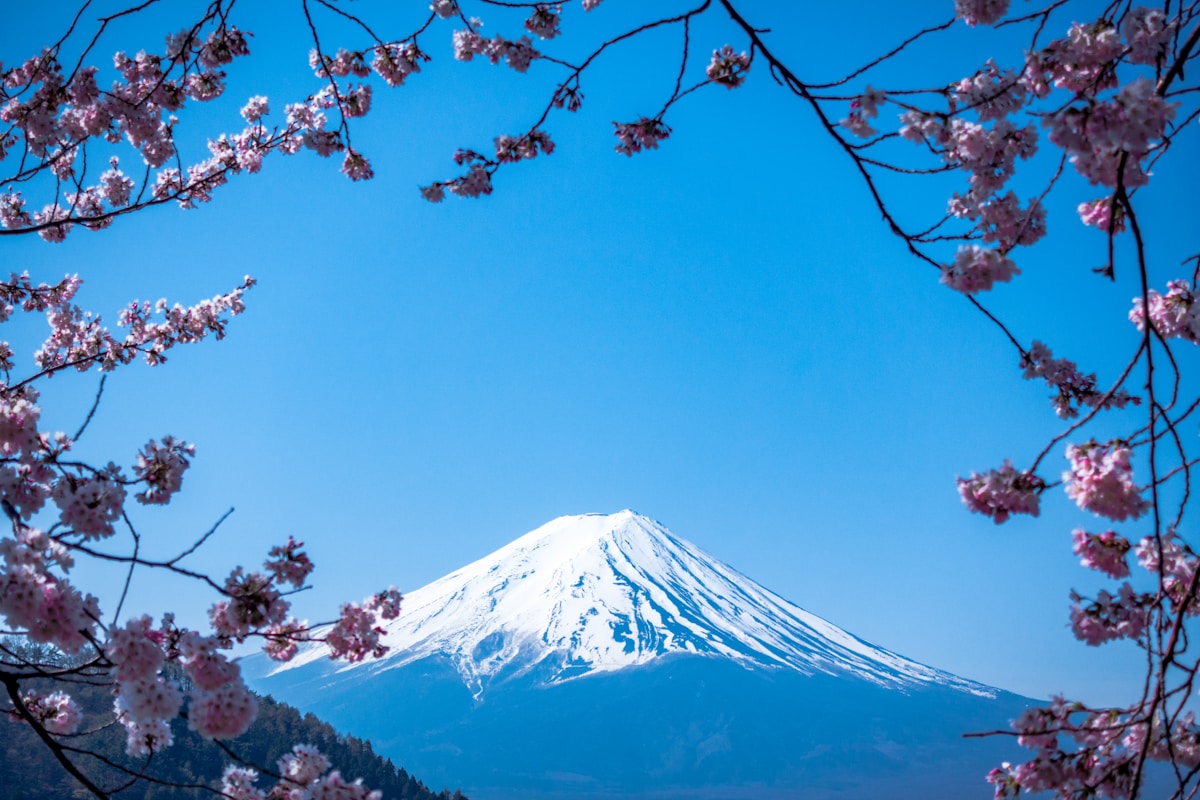
Tokyo: The City That Never Stops Surprising You
Tokyo is the gateway to Japan for most travelers and, at the same time, one of the most fascinating cities on the planet. With over 13 million people in the city proper and nearly 40 million in the greater metro area, it is the largest urban agglomeration in the world. But do not let the numbers put you off.
The Neighborhoods You Cannot Miss
Every neighborhood in Tokyo has its own universe. Shibuya gives you that iconic scramble crossing you have probably seen in a thousand photos — but standing in the middle of it yourself is something else entirely. Harajuku is the epicenter of Japanese alternative fashion, while Asakusa holds the spirit of old Tokyo alive with Senso-ji Temple and its street stalls selling handmade crafts.
Akihabara is sacred ground for fans of electronics and manga and anime culture. If you want something calmer and more refined, Ginza delivers international luxury shopping and some of the best sushi restaurants in the world.
Tokyo: My First-Hand Experience
The first time I visited Tokyo it felt overwhelming, but I discovered the key early: the metro is incredibly easy to use once you load a Suica or Pasmo card on your phone. You can move around the entire city without speaking a single word of Japanese. What surprised me most was the absolute cleanliness of the streets and the genuine warmth of the people.
What to Do in Tokyo in 2026
- Tokyo Skytree (634 m): the best panoramic views of the city, period
- TeamLab Borderless: reopened in 2024 at Azabudai Hills with mind-blowing digital art installations
- Tsukiji Outer Market: the world-famous fish market where you eat the best breakfast sushi of your life
- Shinjuku Gyoen Park: perfect in spring during the sakura cherry blossom season
Kyoto: The Cultural Heart of Japan
If Tokyo is Japan's modern brain, Kyoto is its soul. The country's imperial capital for over a thousand years, this city is home to more than 2,000 temples and shrines. Time genuinely seems to move slower here.
The Temples and Shrines You Must See
Fushimi Inari Shrine with its thousands of orange torii gates is probably the most recognizable image in all of Kyoto. You can hike the full trail (about 4 km to the summit) to escape the tourist crowds. The https://notipostingt.com/2022/04/26/los-mejores-destinos-turisticos-de-japon , a UNESCO World Heritage Site, earns its visit all by itself: its top two floors covered in gold leaf create a hypnotic reflection in the pond below.
The Arashiyama Bamboo Grove is another classic that, despite being heavily photographed, does not disappoint. I strongly recommend going before 8 AM to have it nearly to yourself.
A Real Story: The Tea Ceremony That Changed Things
A friend who visited Kyoto in 2025 signed up for a traditional tea ceremony in the Gion district. She told me it felt a bit slow and overly formal at first, but by the time she walked out she felt a calm she had not experienced in years. That ritual of preparing and serving matcha with absolute precision is, in practice, an active form of meditation.
The Gion district remains the best place to spot geishas (geiko) and their apprentices (maiko) at dusk, especially on weekdays when there are far fewer tourists around.
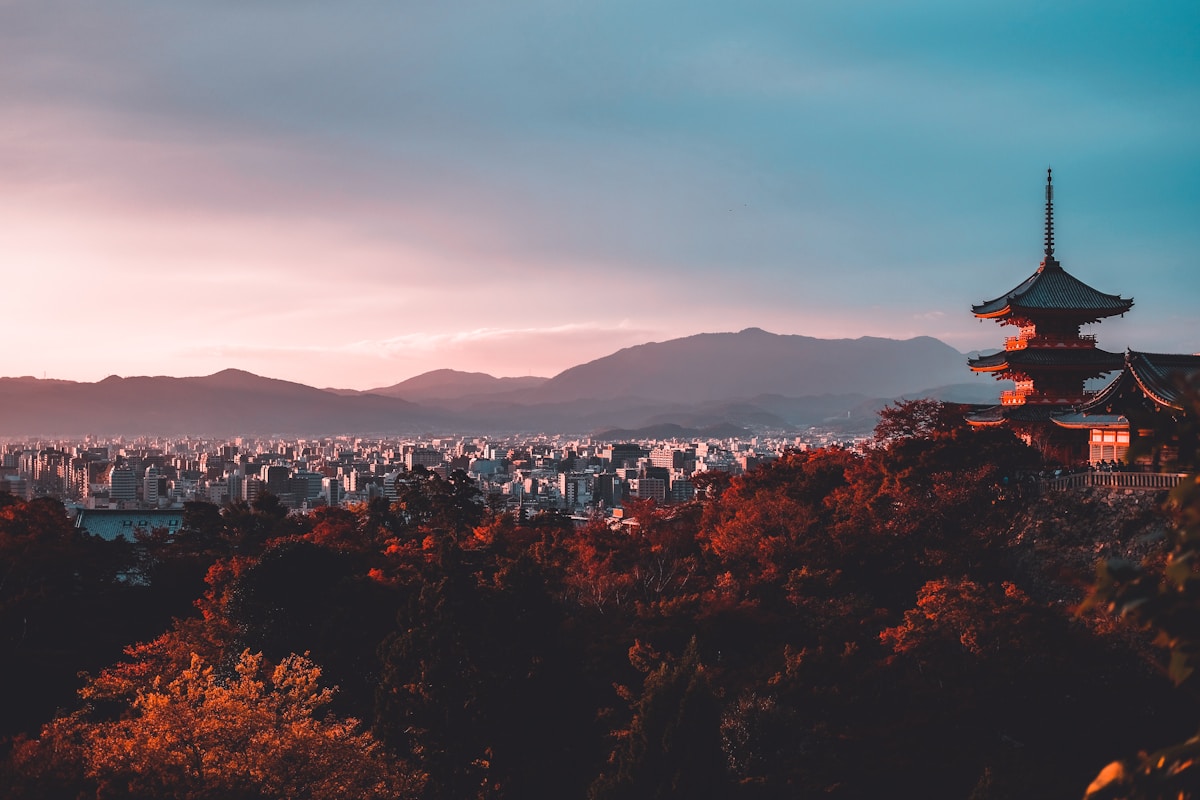
Osaka: Japan's Food Capital
Osaka has a very particular motto: kuidaore, which roughly translates to "eat until you drop." And the city more than lives up to that promise. Osaka captures much of what Japan is today: good food in abundance and variety, a festive vibe, dazzling neon signs, and impossible building facades.
Food and Neighborhoods in Osaka
The Dotonbori district is the gastronomic epicenter. Here you can eat takoyaki (octopus balls), okonomiyaki (Japanese savory pancake), and kushikatsu (deep-fried skewers) from street stalls right next to the canal. The running Glico Man neon sign is the most photographed symbol in the city.
The Shinsekai neighborhood has a retro-futuristic look worth a stroll, especially around dinnertime. And if history interests you, Osaka Castle is one of the most visited castles in all of Japan.
Why Osaka Wins on Authenticity
Many travelers discover in Osaka an energy that feels more relaxed and real than Tokyo. Japanese people themselves say that Osakans are more outgoing and quick to joke around. That personality shows up in the prices (noticeably cheaper than Tokyo), the street food culture, and how easy it is to connect with locals.
Hiroshima and Miyajima Island: History and Natural Beauty
Hiroshima is one of the most emotionally powerful destinations in the world. The Peace Memorial Park and the Peace Memorial Museum are essential visits for understanding 20th-century history from a perspective that no book can fully convey.
Miyajima Island
Just 30 minutes by ferry from Hiroshima lies Miyajima, considered one of Japan's three most scenic views by tradition. The Itsukushima Shrine with its floating torii gate rising out of the sea is an image that stays with you forever. If you want a truly special experience, spending a night at a ryokan on Miyajima lets you enjoy the village and shoreline at dusk when the day-trippers have all gone home.
Hakone and Mount Fuji: Japanese Nature at Its Purest
Mountains, lakes, hot springs, and Mount Fuji dominating the skyline: Hakone is the perfect place to decompress from Tokyo's pace and immerse yourself in Japanese nature. It is only 90 minutes away on the Romancecar express train from Shinjuku.
What to Do in Hakone
Here you can sail across Lake Ashi on a pirate ship-inspired boat, walk through the torii of Hakone Shrine, and take a ropeway up to Owakudani, where sulfur vents create a truly volcanic landscape unlike anything else. Do not leave without trying the famous black eggs boiled in the geothermal hot springs.
The Hakone Open-Air Museum is a delightful surprise: sculptures by Picasso, Rodin, and Japanese artists integrated into the natural mountain scenery.
Nara: Deer, Temples, and Complete Tranquility
Just 45 minutes from Kyoto by train, Nara is one of the most requested stops on any Japan itinerary, thanks to its ancient temples set inside Nara Park, which has been a UNESCO World Heritage Site since 1998.
Todai-ji Temple houses the world's largest bronze Buddha statue at nearly 15 meters tall. And yes, the deer wandering freely through the park are real — and quite determined to relieve you of the special deer crackers sold at stalls around the entrance. On your walk through the park you will pass through monumental gates like the Nandai-mon before reaching Todai-ji.
Emerging Destinations in 2026: Beyond the Golden Triangle
Fukuoka: The New Hub of the South
Fukuoka welcomes visitors with a dynamic mix of tradition and innovation. Try Hakata-style ramen at the lively yatai street food stalls or relax in Ohori Park, a favorite spot for both locals and travelers. Fukuoka has the added advantage of being the gateway to Kyushu island, which is far less crowded than Honshu.
Kanazawa: The Alternative Kyoto
Frequently called "the alternative Kyoto," Kanazawa has preserved its geisha (geiko) and samurai districts in nearly original condition. Kenroku-en Garden is ranked among the three most beautiful gardens in Japan. The city became much more accessible after the Hokuriku Shinkansen bullet train extended its line here.
Koya-san: A Night Among Buddhist Monks
Koya-san, a UNESCO World Heritage Site, offers a spiritual experience that is hard to match anywhere in the world: spending the night at a shukubo (temple lodging), sleeping like the monks, eating vegetarian Buddhist cuisine (shojin ryori), and joining morning rituals. The Okunoin Cemetery, with over 200,000 tombstones among ancient cedar trees, is one of the most mystical and awe-inspiring places in all of Japan.
Best Time to Visit Japan in 2026
Timing matters a lot in Japan. Each season delivers a completely different experience:
| Season | Months | What It Offers | Downsides |
| Spring | March-May | Cherry blossoms (sakura) | Very crowded, high prices |
| Summer | June-August | Fireworks festivals, Okinawa beaches | Extreme heat and humidity |
| Autumn | Sept-November | Koyo fall foliage colors | Busy, but less so than spring |
| Winter | Dec-February | Snow in Hokkaido, skiing, Sapporo Snow Festival | Cold, some temple access limited |
Autumn colors make Kyoto's temples and Tokyo's parks look spectacular. Cooler temperatures also mean fewer tourists, which is ideal for city exploring and hiking.
How to Get Around Japan: The Japan Rail Pass in 2026
Japan's transport system is one of the best in the world. The Shinkansen bullet train is almost certainly your best option for moving quickly between major destinations like Tokyo, Kyoto, and Osaka.
The Japan Rail Pass remains the most cost-effective choice if you plan to travel between several cities. In 2026, it comes in 7, 14, and 21-day versions. For getting around within cities, the local metro is incredibly reliable, punctual, and easy to navigate using apps like Google Maps or Hyperdia.
Common Mistakes When Planning a Japan Trip (Myths and Misconceptions)
"Japan is too expensive" — Street food and ramen or teishoku (set meal) restaurants are very affordable. A full lunch can cost between 800 and 1,200 yen (roughly $5-8 USD). What can get expensive is accommodation during peak seasons.
"Nobody will understand me if I don't speak Japanese" — In major cities, metro signs are in English. Japanese people are remarkably kind and creative at communicating even without a shared language.
"I have to go in spring for the cherry blossoms" — Cherry blossoms are spectacular, yes, but spring is the most crowded and most expensive time of year. Autumn offers equally stunning colors with noticeably fewer people.
"Everything is always spotless and orderly" — Japan is genuinely very clean, but during peak season the most popular spots like Mount Fuji and Fushimi Inari can get overwhelmingly packed. New access restrictions introduced between 2024 and 2026 are actively managing overtourism at several key sites.
Frequently Asked Questions
What is the best destination in Japan for a first-time visitor?
If it is your first time, the combination of Tokyo + Kyoto + Osaka is still the most recommended route. Tokyo gives you the modern and technological side of Japan; Kyoto delivers the history and traditional culture; and Osaka brings the food scene and a more laid-back vibe. With 10 to 12 days you can cover this triangle comfortably using the Shinkansen.
When is the best time to visit Japan in 2026?
October and November offer the best balance of experience and value. Autumn koyo foliage is stunning, the weather is pleasant (15-22°C / 59-72°F), and there are fewer tourists than in spring. If you want cherry blossoms, aim for the last week of March or first week of April — but prepare for higher prices and much larger crowds.
Do I need to speak Japanese to travel in Japan?
Not at all. In Tokyo, Osaka, and Kyoto, metro signs and directions at major tourist sites are also in English. Many restaurants have photo menus or even plastic food replicas in the window. Downloading Google Translate with the Japanese language pack (works offline) covers most situations you will encounter.
Which destination in Japan is best for avoiding mass tourism?
Kanazawa, Koya-san, and the Tohoku region (northern Honshu) are perfect if you want something quieter. Kanazawa has all the cultural beauty of Kyoto with a fraction of the visitors. Koya-san is literally a mountain monastery where you can spend the night. And Tohoku, with cities like Sendai, Matsushima, and Kakunodate, offers spectacular nature and authentic culture without the crowds.
How much does a trip to Japan cost on average in 2026?
A mid-range traveler can budget roughly $110 to $165 USD per day, covering a hostel or business hotel, local transport, meals, and entrance fees. If you stay in quality ryokans or luxury hotels, expect $275 to $440 per day. The Japan Rail Pass (7-day version costs approximately 50,000 yen in 2026) is worth it if you plan to travel between three or more cities during that period.
Which Japanese destination is best for nature lovers?
Hokkaido in the north is ideal for wild landscapes: Shiretoko National Park, the Akan lakes, and Niseko skiing are all exceptional. Yakushima in the south is an island blanketed with ancient cedar trees designated as UNESCO heritage, and it visually inspired Studio Ghibli's Princess Mononoke. And Okinawa delivers tropical white-sand beaches and a culture that feels distinctly different from mainland Japan.
Final Thoughts
Japan is one of those countries that genuinely changes how you see the world. Whatever destination you choose https://notipostingt.com/2022/04/26/los-mejores-destinos-turisticos-de-japon vibrancy, or Koya-san's deep spirituality — what they all share is a culture that cares about the details, respects its visitors, and keeps surprising you. In 2026, with more transport options, fresh attractions, and a mature tourism infrastructure, there has never been a better moment to book that trip you have been putting off. Japan is waiting for you.
References
- Japan National Tourism Organization (JNTO): https://www.jnto.go.jp/eng/
- TripAdvisor - Top Attractions in Japan 2026: https://www.tripadvisor.com/Attractions-g294232-Activities-Japan.html
- Lonely Planet - Japan Travel Guide: https://www.lonelyplanet.com/japan
- UNESCO World Heritage - Japan: https://whc.unesco.org/en/statesparties/jp
- Japan Rail Pass Official Site: https://www.japanrailpass.net/en/
- TeamLab Borderless Tokyo: https://borderless.teamlab.art/
- Hakone Open-Air Museum: https://www.hakone-oam.or.jp/en/
- Japan Tourism Agency (JTA): https://www.mlit.go.jp/kankocho/en/
- Rough Guides - Best Time to Visit Japan: https://www.roughguides.com/japan/when-to-visit/
