
You have studied for years, survived the all-nighters, and made it to the finish line. The only thing standing between you and the celebratory dinner is the graduation ceremony itself. So — how long are graduations, actually? And should you be worried about bladder capacity?
Graduation ceremonies bring together students, families, and staff to mark one of life's biggest milestones.
How Long Are Graduations by Education Level
Not all graduation ceremonies are created equal. A kindergarten ceremony wraps up before your coffee cools. A large university commencement can consume most of your afternoon. The honest answer is that it depends — mostly on how many names need calling and how many people believe their speech deserves a standing ovation.
Here is a straightforward breakdown of average ceremony lengths by education level, based on data from real commencement schedules and graduation planning resources:
| Education Level | Typical Duration | Notes |
|---|---|---|
| Kindergarten / Elementary | 30 – 60 minutes | Short, sweet, and usually involves children forgetting their lines |
| Middle School / Year 8–9 | 45 – 90 minutes | Includes awards, music, and a few motivational speeches nobody asked for |
| High School / Secondary | 1.5 – 2.5 hours | Larger classes can push this to 3 hours |
| Undergraduate (University) | 2 – 3 hours | Often split by faculty or department at larger institutions |
| Postgraduate / Masters | 1.5 – 2.5 hours | More formal; includes hooding ceremonies for doctoral students |
| Doctoral / PhD | 1.5 – 2.5 hours | Fewer graduates but more ceremonial formality |
Source: Tassel Depot Graduation Guide | Bold.org Graduation Overview
Data sourced from Bold.org and The Grad Team commencement surveys.
What Makes Graduations Longer (or Shorter)
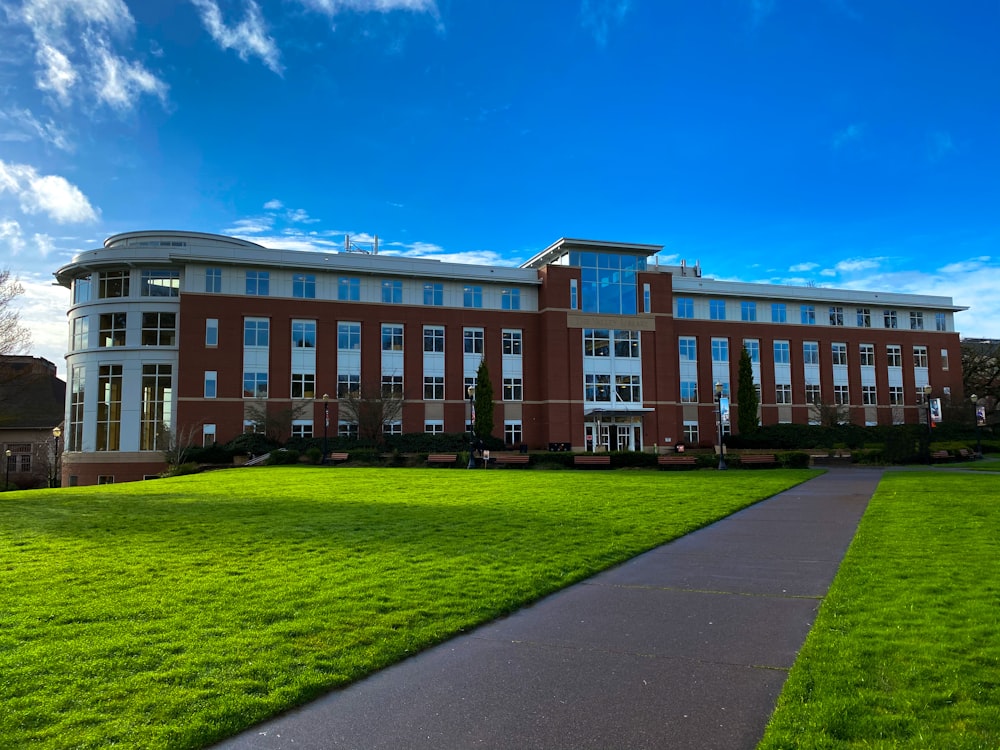
Larger graduating classes in bigger venues are the biggest contributor to longer ceremonies.
If you have ever sat through a three-hour graduation and quietly questioned every life decision that led you to that chair, you were probably the victim of at least one of the following factors.
1. Class Size
This is the single biggest variable. Each student crossing the stage — even at a brisk ten seconds per person — adds up fast. A class of 80 students finishes in under an hour. A class of 1,000 students? You are looking at a full afternoon. That is just maths, not a complaint.
2. Number and Length of Speeches
Most ceremonies feature a principal or dean, a valedictorian, and sometimes a guest speaker. Add a student council rep who discovered public speaking last semester, and you could easily add 45 to 60 minutes to the programme. Each speaker slot typically runs 10 to 15 minutes — though not everyone has read that memo.
3. Musical Performances and Extras
A choir performance here, a slideshow tribute there, an interpretive poem from the art department — these moments add heart but also time. Individually they seem like a nice touch. Collectively, they can extend the ceremony by 20 to 30 minutes.
4. Venue Size and Logistics
Getting 800 graduates into a stadium, seated alphabetically and pointing the right direction, takes time. Large venues add 15 to 20 minutes on both ends — for the processional and the recessional. Smaller indoor venues are more efficient, though they come with their own challenges, like the heat.
5. Hooding and Special Recognitions
Doctoral and postgraduate ceremonies often include hooding — a separate ritual for each candidate. It is meaningful and ceremonially important, but it does extend proceedings. Add in special academic awards, departmental prizes, or honorary degrees, and the programme stretches further still.
The Typical Order of Events at a Graduation Ceremony
Whether you are attending your own graduation or supporting a graduate, knowing the structure of the ceremony helps you manage time and expectations. Most ceremonies follow a fairly consistent sequence.
Processional (10–30 minutes)
This is the opening march — graduates file into the venue to the familiar strains of Elgar's "Pomp and Circumstance." The duration depends entirely on class size. For a large university cohort, this alone can take half an hour.
Welcome Address and Formalities (10–20 minutes)
A school administrator or university registrar opens the ceremony, usually welcomes guests, recites the institution's mission (or history, if they're feeling ambitious), and hands over to the first speaker.
Speeches (20–60 minutes)
The most variable section. Commencement addresses from keynote speakers, valedictorian speeches, and occasional student or faculty presentations fill this segment. The best speeches are inspiring, brief, and quotable. The worst are just long.
Conferring of Degrees and Name Calling (30 minutes – 2 hours)
This is the main event. Each graduate's name is called, they cross the stage, shake the appropriate hand, receive their diploma (or a rolled-up piece of cardboard), and return to their seat. This section scales directly with class size — and it is where most of the timeline is made or lost.
Turning of the Tassel and Recessional (10–15 minutes)
The ceremony closes with the symbolic tassel turn — from right to left, marking the transition from student to graduate. Graduates and faculty then exit in a formal recessional. And that is the signal everyone has been waiting for.
How to Prepare for a Long Graduation Ceremony
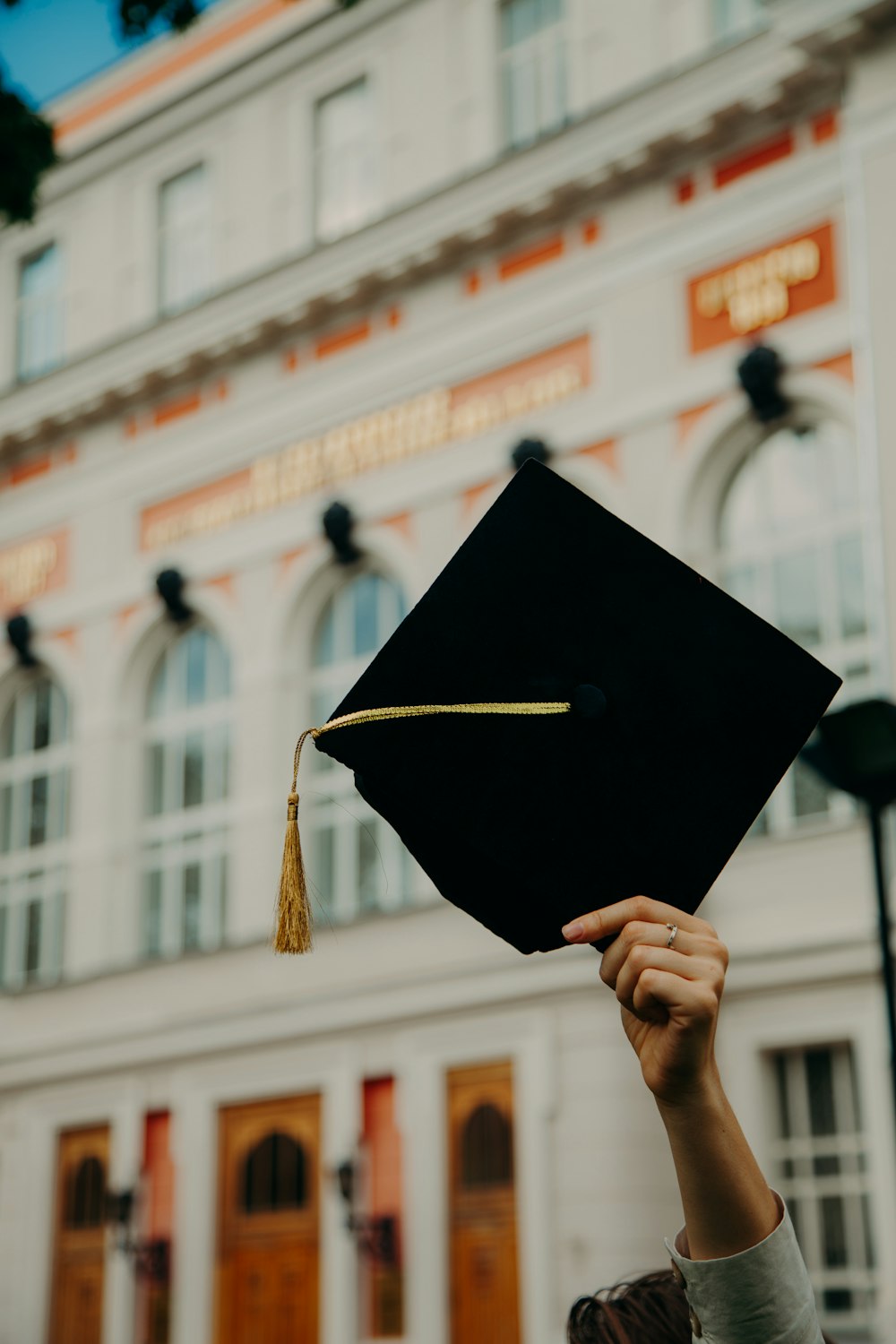
The cap toss is iconic. The two hours before it? Requires some planning.
Nobody tells you graduation prep extends well beyond choosing what shoes go under a gown. Here is what actually helps.
Arrive Early — Very Early
Most universities recommend arriving one to two hours before the ceremony start time. Registration, gown collection, photo opportunities, and locating your seat all eat into that window. Showing up ten minutes before start time is a gamble that rarely pays off.
Eat Something Before You Go
A three-hour ceremony on an empty stomach is a miserable experience. Have a proper meal beforehand. The graduation dinner comes after — you have to earn it.
Dress for the Venue's Climate
Outdoor summer ceremonies in Britain are a particular adventure. You might need sunscreen, a waterproof layer, or both — sometimes within the same hour. Indoor venues with large crowds get warm quickly, especially under academic robes.
Plan Guest Logistics in Advance
Guest tickets, accessible seating, parking, and nearby accommodation if family are travelling — these are worth sorting weeks ahead, not the morning of. Large graduation days put pressure on city transport and hotel availability near popular campuses.
Know Your Order in the Programme
If your surname starts with a letter in the first half of the alphabet, you will cross the stage earlier. If you are near the end, you are in for the long haul. Knowing where you fall in the running order helps you pace yourself mentally — and decide whether a discreet visit to the facilities beforehand is wise.
UK Graduations: What to Expect
Graduation ceremonies in the UK have their own particular character — a blend of deep academic tradition and genuine warmth that makes them memorable regardless of how long they run.
UK university ceremonies typically take place between July and September for undergraduates, with postgraduate ceremonies often held in late autumn or winter. Some universities, like Oxford, still conduct parts of their ceremonies in Latin — a tradition dating back to the twelfth century. Others are more contemporary in tone but no less meaningful in substance.
Most UK ceremonies last between 1.5 and 2.5 hours. Universities that host thousands of graduates each summer often split their ceremonies by faculty or department to keep each event manageable. UCL, for example, holds multiple ceremonies over several days, each focused on different faculties. This approach keeps ceremony lengths reasonable and ensures every graduate receives proper recognition.
Dress code for UK ceremonies is generally smart or semi-formal for guests. Graduates wear academic regalia — cap and gown — supplied by the institution or hired in advance. The gown hire process varies by university, so check your institution's specific guidance well before the day.
If you are supporting a graduate who is also navigating other big life moments at the same time — from finding their first professional role to understanding more about family dynamics and extended family relationships — it is a reminder of just how much changes in the months surrounding graduation.
Frequently Asked Questions
Can I leave a graduation ceremony early?
Technically, yes — but it is considered poor form, especially at formal university events. If you have an unavoidable conflict, tell the graduation office in advance. Some ceremonies allow graduates to leave after crossing the stage, though this is not universal. Check your institution's policy.
How long are university graduations compared to high school?
University graduations tend to run longer — typically 2 to 3 hours versus 1.5 to 2.5 hours for high school. This is partly due to larger graduating classes, more elaborate traditions (like hooding for postgraduate students), and longer formal addresses. That said, universities that split their ceremonies by department can keep each session closer to 90 minutes.
Do outdoor graduations take longer?
They can. Outdoor venues often require additional time for seating large crowds, and weather contingencies may cause delays. Ceremonies held in open-air stadiums or fields also tend to have longer processionals. The upside is more space — and better photos.
What time do graduation ceremonies usually start?
Most ceremonies begin between 10am and 2pm. Larger institutions with multiple ceremonies in a day often schedule them at 10am and 2pm, or sometimes 10am, 1pm, and 4pm. Always check your official ceremony programme rather than assuming.
Is there a recommended graduation ceremony length?
Commencement planning professionals widely cite 90 minutes to 2 hours as the ideal range. Beyond 2.5 hours, complaints spike. Beyond 3 hours, family members begin quietly mapping their exit routes. If you are a planner, protect the 90-minute window with everything you have.
Final Thoughts
So, how long are graduations? The honest answer is: anywhere between 30 minutes and 3-plus hours, depending on the level of education, the size of the graduating class, the institution's traditions, and whether the keynote speaker has a strong sense of time.
For most people, the ceremony itself is shorter than they fear and more moving than they expect. Years of work, stress, and growth get compressed into a couple of hours of speeches, cap-and-gown processions, and name-calling. Even when it runs long, it tends to feel worth it — at least in retrospect.
Plan ahead, wear comfortable shoes, eat beforehand, and give yourself the full window. Whether you are the graduate or the proud family member squinting from the back row, graduation day is one worth being fully present for.
Sources & References
- Bold.org — How Long Is a Graduation Ceremony?
- Tassel Depot — How Long Is a Graduation Ceremony?
- The Grad Team — How Long Should a Commencement Ceremony Be?
- Graduation Wisdom — How Long Do Graduation Ceremonies Last?
- Who Is Leon — How Long Do Graduations Last?
- UCL Graduations — Official Ceremony Information
- University of Oxford — Degree Ceremony Guide
You have studied for years, survived the all-nighters, and made it to the finish line. The only thing standing between you and the celebratory dinner is the graduation ceremony itself. So — how long are graduations, actually? And should you be worried about bladder capacity?
Graduation ceremonies bring together students, families, and staff to mark one of life's biggest milestones.
How Long Are Graduations by Education Level
Not all graduation ceremonies are created equal. A kindergarten ceremony wraps up before your coffee cools. A large university commencement can consume most of your afternoon. The honest answer is that it depends — mostly on how many names need calling and how many people believe their speech deserves a standing ovation.
Here is a straightforward breakdown of average ceremony lengths by education level, based on data from real commencement schedules and graduation planning resources:
| Education Level | Typical Duration | Notes |
|---|---|---|
| Kindergarten / Elementary | 30 – 60 minutes | Short, sweet, and usually involves children forgetting their lines |
| Middle School / Year 8–9 | 45 – 90 minutes | Includes awards, music, and a few motivational speeches nobody asked for |
| High School / Secondary | 1.5 – 2.5 hours | Larger classes can push this to 3 hours |
| Undergraduate (University) | 2 – 3 hours | Often split by faculty or department at larger institutions |
| Postgraduate / Masters | 1.5 – 2.5 hours | More formal; includes hooding ceremonies for doctoral students |
| Doctoral / PhD | 1.5 – 2.5 hours | Fewer graduates but more ceremonial formality |
Source: Tassel Depot Graduation Guide | Bold.org Graduation Overview
Data sourced from Bold.org and The Grad Team commencement surveys.
What Makes Graduations Longer (or Shorter)
Larger graduating classes in bigger venues are the biggest contributor to longer ceremonies.
If you have ever sat through a three-hour graduation and quietly questioned every life decision that led you to that chair, you were probably the victim of at least one of the following factors.
1. Class Size
This is the single biggest variable. Each student crossing the stage — even at a brisk ten seconds per person — adds up fast. A class of 80 students finishes in under an hour. A class of 1,000 students? You are looking at a full afternoon. That is just maths, not a complaint.
2. Number and Length of Speeches
Most ceremonies feature a principal or dean, a valedictorian, and sometimes a guest speaker. Add a student council rep who discovered public speaking last semester, and you could easily add 45 to 60 minutes to the programme. Each speaker slot typically runs 10 to 15 minutes — though not everyone has read that memo.
3. Musical Performances and Extras
A choir performance here, a slideshow tribute there, an interpretive poem from the art department — these moments add heart but also time. Individually they seem like a nice touch. Collectively, they can extend the ceremony by 20 to 30 minutes.
4. Venue Size and Logistics
Getting 800 graduates into a stadium, seated alphabetically and pointing the right direction, takes time. Large venues add 15 to 20 minutes on both ends — for the processional and the recessional. Smaller indoor venues are more efficient, though they come with their own challenges, like the heat.
5. Hooding and Special Recognitions
Doctoral and postgraduate ceremonies often include hooding — a separate ritual for each candidate. It is meaningful and ceremonially important, but it does extend proceedings. Add in special academic awards, departmental prizes, or honorary degrees, and the programme stretches further still.
The Typical Order of Events at a Graduation Ceremony
Whether you are attending your own graduation or supporting a graduate, knowing the structure of the ceremony helps you manage time and expectations. Most ceremonies follow a fairly consistent sequence.
Processional (10–30 minutes)
This is the opening march — graduates file into the venue to the familiar strains of Elgar's "Pomp and Circumstance." The duration depends entirely on class size. For a large university cohort, this alone can take half an hour.
Welcome Address and Formalities (10–20 minutes)
A school administrator or university registrar opens the ceremony, usually welcomes guests, recites the institution's mission (or history, if they're feeling ambitious), and hands over to the first speaker.
Speeches (20–60 minutes)
The most variable section. Commencement addresses from keynote speakers, valedictorian speeches, and occasional student or faculty presentations fill this segment. The best speeches are inspiring, brief, and quotable. The worst are just long.
Conferring of Degrees and Name Calling (30 minutes – 2 hours)
This is the main event. Each graduate's name is called, they cross the stage, shake the appropriate hand, receive their diploma (or a rolled-up piece of cardboard), and return to their seat. This section scales directly with class size — and it is where most of the timeline is made or lost.
Turning of the Tassel and Recessional (10–15 minutes)
The ceremony closes with the symbolic tassel turn — from right to left, marking the transition from student to graduate. Graduates and faculty then exit in a formal recessional. And that is the signal everyone has been waiting for.
How to Prepare for a Long Graduation Ceremony
The cap toss is iconic. The two hours before it? Requires some planning.
Nobody tells you graduation prep extends well beyond choosing what shoes go under a gown. Here is what actually helps.
Arrive Early — Very Early
Most universities recommend arriving one to two hours before the ceremony start time. Registration, gown collection, photo opportunities, and locating your seat all eat into that window. Showing up ten minutes before start time is a gamble that rarely pays off.
Eat Something Before You Go
A three-hour ceremony on an empty stomach is a miserable experience. Have a proper meal beforehand. The graduation dinner comes after — you have to earn it.
Dress for the Venue's Climate
Outdoor summer ceremonies in Britain are a particular adventure. You might need sunscreen, a waterproof layer, or both — sometimes within the same hour. Indoor venues with large crowds get warm quickly, especially under academic robes.
Plan Guest Logistics in Advance
Guest tickets, accessible seating, parking, and nearby accommodation if family are travelling — these are worth sorting weeks ahead, not the morning of. Large graduation days put pressure on city transport and hotel availability near popular campuses.
Know Your Order in the Programme
If your surname starts with a letter in the first half of the alphabet, you will cross the stage earlier. If you are near the end, you are in for the long haul. Knowing where you fall in the running order helps you pace yourself mentally — and decide whether a discreet visit to the facilities beforehand is wise.
UK Graduations: What to Expect
Graduation ceremonies in the UK have their own particular character — a blend of deep academic tradition and genuine warmth that makes them memorable regardless of how long they run.
UK university ceremonies typically take place between July and September for undergraduates, with postgraduate ceremonies often held in late autumn or winter. Some universities, like Oxford, still conduct parts of their ceremonies in Latin — a tradition dating back to the twelfth century. Others are more contemporary in tone but no less meaningful in substance.
Most UK ceremonies last between 1.5 and 2.5 hours. Universities that host thousands of graduates each summer often split their ceremonies by faculty or department to keep each event manageable. UCL, for example, holds multiple ceremonies over several days, each focused on different faculties. This approach keeps ceremony lengths reasonable and ensures every graduate receives proper recognition.
Dress code for UK ceremonies is generally smart or semi-formal for guests. Graduates wear academic regalia — cap and gown — supplied by the institution or hired in advance. The gown hire process varies by university, so check your institution's specific guidance well before the day.
If you are supporting a graduate who is also navigating other big life moments at the same time — from finding their first professional role to understanding more about family dynamics and extended family relationships — it is a reminder of just how much changes in the months surrounding graduation.
Frequently Asked Questions
Can I leave a graduation ceremony early?
Technically, yes — but it is considered poor form, especially at formal university events. If you have an unavoidable conflict, tell the graduation office in advance. Some ceremonies allow graduates to leave after crossing the stage, though this is not universal. Check your institution's policy.
How long are university graduations compared to high school?
University graduations tend to run longer — typically 2 to 3 hours versus 1.5 to 2.5 hours for high school. This is partly due to larger graduating classes, more elaborate traditions (like hooding for postgraduate students), and longer formal addresses. That said, universities that split their ceremonies by department can keep each session closer to 90 minutes.
Do outdoor graduations take longer?
They can. Outdoor venues often require additional time for seating large crowds, and weather contingencies may cause delays. Ceremonies held in open-air stadiums or fields also tend to have longer processionals. The upside is more space — and better photos.
What time do graduation ceremonies usually start?
Most ceremonies begin between 10am and 2pm. Larger institutions with multiple ceremonies in a day often schedule them at 10am and 2pm, or sometimes 10am, 1pm, and 4pm. Always check your official ceremony programme rather than assuming.
Is there a recommended graduation ceremony length?
Commencement planning professionals widely cite 90 minutes to 2 hours as the ideal range. Beyond 2.5 hours, complaints spike. Beyond 3 hours, family members begin quietly mapping their exit routes. If you are a planner, protect the 90-minute window with everything you have.
Final Thoughts
So, how long are graduations? The honest answer is: anywhere between 30 minutes and 3-plus hours, depending on the level of education, the size of the graduating class, the institution's traditions, and whether the keynote speaker has a strong sense of time.
For most people, the ceremony itself is shorter than they fear and more moving than they expect. Years of work, stress, and growth get compressed into a couple of hours of speeches, cap-and-gown processions, and name-calling. Even when it runs long, it tends to feel worth it — at least in retrospect.
Plan ahead, wear comfortable shoes, eat beforehand, and give yourself the full window. Whether you are the graduate or the proud family member squinting from the back row, graduation day is one worth being fully present for.
Sources & References
- Bold.org — How Long Is a Graduation Ceremony?
- Tassel Depot — How Long Is a Graduation Ceremony?
- The Grad Team — How Long Should a Commencement Ceremony Be?
- Graduation Wisdom — How Long Do Graduation Ceremonies Last?
- Who Is Leon — How Long Do Graduations Last?
- UCL Graduations — Official Ceremony Information
- University of Oxford — Degree Ceremony Guide
