
It happens to everyone. You reach into your pocket, the pen has leaked, and suddenly your favourite shirt has a dark blue blob on it that looks like a tiny, furious octopus. Or maybe a toddler decided your trousers were a sketchbook. Either way, you need answers fast.
The good news? Ink stains are almost never permanent. The bad news? They do require the right method and a bit of patience. This guide covers everything — from fresh ballpoint disasters to dried-in marker stains — so you can stop Googling in a panic and start doing something actually useful.
Why Ink Stains Are So Stubborn (and Why It Matters)
Before throwing anything at the stain, it helps to know what you are dealing with. Not all ink is the same, and the type of ink determines which removal method will work.
| Ink Type | Common Sources | Difficulty | Best Treatment |
|---|---|---|---|
| Water-based ink | Gel pens, washable markers, fountain pens | Easier | Cold water + detergent |
| Oil-based ink | Ballpoint pens | Harder | Rubbing alcohol or solvent |
| Permanent ink | Permanent markers, some printer inks | Very hard | Acetone or specialised stain remover |
Ballpoint pen ink is oil-based, making it hydrophobic — meaning water alone simply will not shift it. You need a solvent to break down those oils. That is exactly why rubbing alcohol is the go-to solution recommended by laundry experts at Reader’s Digest and Tide.
The Golden Rules Before You Start
Rushing in with the wrong technique can make the stain worse. Follow these rules every single time, regardless of which removal method you use.
- Act fast. Wet ink is far easier to remove than dried ink. Start treatment the moment you spot the stain.
- Blot, never rub. Rubbing spreads the ink and drives it deeper into fabric fibres. Always use a firm dabbing motion.
- Place a cloth underneath. Put a clean white cloth or paper towel under the stained area to stop ink transferring to the other side of the garment.
- Test first. Apply any cleaning solution to a hidden area of the fabric — inside a seam, for example — before tackling the visible stain. Some solutions can lift fabric dye.
- Never tumble-dry until the stain is gone. Heat sets stains permanently. If the stain survives the wash, repeat the treatment before drying.
Method 1: Rubbing Alcohol — The One That Works Best
Rubbing alcohol (isopropyl alcohol, 70% or 91% concentration) is the frontrunner recommended by laundry experts. It breaks down oil-based inks effectively on cotton, polyester, nylon, and most blended fabrics.
Rubbing alcohol applied with a cotton ball is the gold standard for ballpoint ink stains.
Step-by-Step: Rubbing Alcohol Method
- Place a clean white cloth under the stained area to absorb displaced ink.
- Spot-test the alcohol on a hidden part of the garment first.
- Dampen a cotton ball or clean cloth with rubbing alcohol.
- Dab the stain starting from the outer edges, working inward. This prevents spreading.
- As the cotton ball picks up ink, discard it and use a fresh one — reusing it will just reapply the ink.
- Once the stain fades, rinse thoroughly with cold water.
- Apply a drop of dish soap to the area and rinse again. This lifts any residual ink.
- Machine wash as normal using your regular detergent.
- Check the garment before drying. Repeat if any stain remains.
Reader’s Digest confirms that rubbing alcohol is preferred for ballpoint ink and other oil-based inks, and that adding a drop of dish soap after the alcohol treatment helps remove residual colour from the fabric.
Method 2: White Vinegar and Dish Soap
If you are out of rubbing alcohol or dealing with a more delicate fabric, white vinegar is a gentler alternative. It is a natural stain remover that can break down ink molecules without the harshness of a strong solvent.
Step-by-Step: Vinegar and Dish Soap Method
- Mix 1 tablespoon of white vinegar, 1 tablespoon of liquid dish soap, and 2 cups of warm water.
- Place a clean white cloth under the stained area.
- Dab the solution onto the stain using a clean cloth, alternating with a dry cloth to blot up lifted ink.
- Do not rub — keep dabbing until the stain fades.
- Rinse with cold water and launder as usual.
Tide’s stain removal guide suggests soaking some fabric types — like corduroy and wool — for up to 30 minutes in a dish soap and vinegar solution before laundering. For delicate fabrics, this soak method is much kinder than applying a harsh solvent directly.
Method 3: Hairspray — Proceed With Caution
You have probably heard this one. The old hairspray trick was a laundry staple for decades, and it worked — because older hairsprays were loaded with alcohol. That alcohol content was what actually did the job, not the hairspray formula itself.
The problem? Modern hairsprays are formulated very differently. Many premium brands now contain conditioners, oils, and far less alcohol. Real-world testing by Apartment Therapy found that hairspray actually made the stain appear brighter in some cases, with the mark remaining clearly visible after washing.
If you want to try hairspray, choose the cheapest aerosol brand you can find and check the ingredients list for high alcohol content. Avoid anything labelled “nourishing,” “moisturising,” or “conditioning.”
Method 4: Baking Soda Paste
Baking soda is a gentle abrasive that can help break up ink stains without aggressive chemicals. It works particularly well on cotton and linen when paired with water or vinegar.
Step-by-Step: Baking Soda Method
- Mix baking soda with a small amount of water to form a thick paste (roughly 2 parts baking soda to 1 part water).
- Apply the paste to the stained area and leave for 10–20 minutes.
- Gently scrub with a soft toothbrush in circular motions.
- Rinse thoroughly with cold water.
- Launder as normal on a warm cycle.
For a stronger follow-up treatment, Fabricare Center recommends a paste of two parts vinegar and three parts cornstarch applied to any remaining stain on jeans or denim after initial alcohol treatment.
Method 5: Lemon Juice and Salt (Natural Alternative)
For a completely chemical-free approach, lemon juice combined with salt creates a mild bleaching and abrasive action that can lift lighter ink stains. This works best on white or pale cotton and linen garments.
Step-by-Step: Lemon and Salt Method
- Squeeze fresh lemon juice directly onto the ink stain.
- Sprinkle a generous pinch of table salt over the lemon juice.
- Gently rub the mixture into the stain with your fingers.
- Leave for 5 minutes, then rinse with cold water.
- Launder as usual.
This method is gentle but not powerful enough for heavy ballpoint or permanent marker stains. Think of it as the spa treatment option — lovely for a minor surface problem, but not quite up to the job when things get serious.
How to Get Dried Ink Stains Out of Clothes
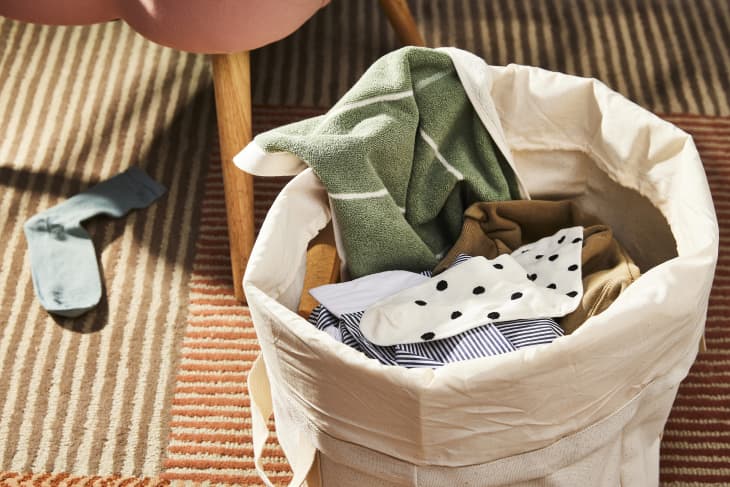
Dried-in stains need a longer soak with your chosen solvent before laundering.
If the ink has already dried, you are not out of luck — but you do need to work harder. Dried ink stains require a longer treatment time to allow the solvent to fully penetrate the hardened ink.
Apply rubbing alcohol generously to the dried stain and let it sit for 5–10 minutes rather than treating immediately. Then follow the same dabbing process as with a fresh stain. You may need to repeat the cycle two or three times before the stain fully lifts.
For stains that went through the tumble dryer (where heat sets them), mix one part rubbing alcohol with two parts warm water. Apply the mixture to the stained area with a clean cloth, blot gently, rinse with cold water, and wash the item. This more diluted approach helps loosen heat-set ink without overly stressing the fabric.
Fabric-Specific Guidance: What Works on What
Cotton
Treat as quickly as possible — cotton absorbs ink fast. Go straight to rubbing alcohol, or soak in a dish soap and vinegar solution. Machine wash in cold water after treatment.
Denim and Jeans
Rubbing alcohol or hand sanitiser works well on denim. Apply, gently scrub with an old toothbrush in circular motions working from the centre outward, rinse with cold water, and wash alone on a cold cycle. Check before drying.
Silk
Silk is delicate — consult the care label before anything else. Start by blotting with cold water and a clean white cloth. Try a 50/50 water and white vinegar solution if the stain remains. When in doubt, take it to a professional dry cleaner rather than risk permanent damage.
Wool
Treat wool ink stains as quickly as possible. Use a cool-water-dampened cloth to lift what you can first. Wool fibres can be damaged by harsh chemicals and rough handling — stick to gentle dabbing. Professional cleaning is the safest option for valuable wool garments.
Synthetic Fabrics (Polyester, Nylon)
Rubbing alcohol works well on most synthetics. Test on a hidden area first, as some synthetic dyes are sensitive to solvents. Machine wash in cold water after treatment.
When to Call in the Professionals
Sometimes, despite your best efforts, a stain just will not budge. There is no shame in recognising when a job needs professional help — especially for valuable or delicate garments.
Consider professional dry cleaning if the stain is on an expensive garment, if the care label warns against home treatment, if you have already tried two or three methods without success, or if the stain covers a large area. A professional cleaner has access to stronger, industrial-grade solvents that are simply not available for home use.
For broader home maintenance advice, the team at Big Write Hook covers everything from household hacks to professional services. Check out this guide on professional home and office cleaning services if you are dealing with more than just a stained shirt. You will also find practical tips throughout the home cleaning section.
Quick-Reference Summary: Ink Stain Removal at a Glance
| Method | Best For | Effectiveness | Notes |
|---|---|---|---|
| Rubbing Alcohol | Ballpoint, oil-based inks | ⭐⭐⭐⭐⭐ | Test first; rinse thoroughly |
| White Vinegar + Dish Soap | Most fabric types | ⭐⭐⭐⭐ | Gentler; great for delicates |
| Hairspray | Fresh stains on cotton | ⭐⭐⭐ | Only works with high alcohol content |
| Baking Soda Paste | Cotton, linen | ⭐⭐⭐ | Mild abrasive; good as follow-up |
| Lemon Juice + Salt | Light stains, white fabric | ⭐⭐ | Natural but limited power |
| Professional Cleaning | Delicates, stubborn stains | ⭐⭐⭐⭐⭐ | Best for valuable garments |
Frequently Asked Questions
Does rubbing alcohol damage clothes?
Rubbing alcohol is generally safe for cotton, polyester, nylon, and most blended fabrics when used correctly. Always spot-test on a hidden area first. Avoid using it on silk and wool. Rinse thoroughly after treatment.
Can I remove ink stains after clothes have been tumble-dried?
Yes, but it is harder. Tumble-dryer heat sets the stain into the fibres. Use a mixture of one part rubbing alcohol to two parts warm water, apply to the stain, blot gently, rinse with cold water, and launder again. Multiple rounds of treatment may be needed.
Does white vinegar remove ink stains on its own?
Vinegar helps but works best when combined with dish soap or as a pre-treatment. On its own, it is generally not powerful enough to fully remove ballpoint or permanent ink.
What removes permanent marker from clothes?
Permanent marker bonds strongly with fabric fibres. Try rubbing alcohol or acetone-based nail polish remover, tested on a hidden area first. Apply with a cotton ball, dab rather than rub, and launder in cold water immediately after. Multiple treatment rounds may be needed.
Is it safe to use nail polish remover (acetone) on clothes?
Acetone can work on stubborn stains on sturdy white cotton, but it can damage synthetic fibres and strip colour from dyed fabrics. Always spot-test first and rinse immediately after treatment.
What if none of these methods work?
If you have tried two or three methods and the stain persists, take the garment to a professional dry cleaner. This is especially important for expensive or sentimental items. Professionals have access to stronger industrial-grade solvents unavailable for home use.
The Bottom Line
Ink stains are stressful in the moment — but they are rarely the end of your favourite shirt. The most important things are to act quickly, use the right method for your ink type, and never put the garment in the tumble dryer until you are certain the stain is completely gone.
Rubbing alcohol remains the most effective single-product solution for the majority of ink stains, particularly ballpoint pen marks. For delicate fabrics or stubborn set-in stains, a professional dry cleaner is worth every penny.
Sources & References
- Tide — How to Get Ink Out of Clothes (Stain Removal Guide)
- Maytag — How to Remove Ink Stains from Clothes
- Reader’s Digest — How to Get Ink Out of Clothes, According to Laundry Experts
- Apartment Therapy — I Tried 5 Popular Methods for Getting Ink Out of Clothes
- Laundry Sauce — How to Get Ink Out of Clothes: 5 Easy Methods
- Fabricare Center — Complete Ink Stain Removal Guide
- Art is Fun — Remove Ink Stains Guide
- Cartridge World USA — How to Get Ink Out of Clothes
It happens to everyone. You reach into your pocket, the pen has leaked, and suddenly your favourite shirt has a dark blue blob on it that looks like a tiny, furious octopus. Or maybe a toddler decided your trousers were a sketchbook. Either way, you need answers fast.
The good news? Ink stains are almost never permanent. The bad news? They do require the right method and a bit of patience. This guide covers everything — from fresh ballpoint disasters to dried-in marker stains — so you can stop Googling in a panic and start doing something actually useful.
Why Ink Stains Are So Stubborn (and Why It Matters)
Before throwing anything at the stain, it helps to know what you are dealing with. Not all ink is the same, and the type of ink determines which removal method will work.
| Ink Type | Common Sources | Difficulty | Best Treatment |
|---|---|---|---|
| Water-based ink | Gel pens, washable markers, fountain pens | Easier | Cold water + detergent |
| Oil-based ink | Ballpoint pens | Harder | Rubbing alcohol or solvent |
| Permanent ink | Permanent markers, some printer inks | Very hard | Acetone or specialised stain remover |
Ballpoint pen ink is oil-based, making it hydrophobic — meaning water alone simply will not shift it. You need a solvent to break down those oils. That is exactly why rubbing alcohol is the go-to solution recommended by laundry experts at Reader’s Digest and Tide.
The Golden Rules Before You Start
Rushing in with the wrong technique can make the stain worse. Follow these rules every single time, regardless of which removal method you use.
- Act fast. Wet ink is far easier to remove than dried ink. Start treatment the moment you spot the stain.
- Blot, never rub. Rubbing spreads the ink and drives it deeper into fabric fibres. Always use a firm dabbing motion.
- Place a cloth underneath. Put a clean white cloth or paper towel under the stained area to stop ink transferring to the other side of the garment.
- Test first. Apply any cleaning solution to a hidden area of the fabric — inside a seam, for example — before tackling the visible stain. Some solutions can lift fabric dye.
- Never tumble-dry until the stain is gone. Heat sets stains permanently. If the stain survives the wash, repeat the treatment before drying.
Method 1: Rubbing Alcohol — The One That Works Best
Rubbing alcohol (isopropyl alcohol, 70% or 91% concentration) is the frontrunner recommended by laundry experts. It breaks down oil-based inks effectively on cotton, polyester, nylon, and most blended fabrics.
Rubbing alcohol applied with a cotton ball is the gold standard for ballpoint ink stains.
Step-by-Step: Rubbing Alcohol Method
- Place a clean white cloth under the stained area to absorb displaced ink.
- Spot-test the alcohol on a hidden part of the garment first.
- Dampen a cotton ball or clean cloth with rubbing alcohol.
- Dab the stain starting from the outer edges, working inward. This prevents spreading.
- As the cotton ball picks up ink, discard it and use a fresh one — reusing it will just reapply the ink.
- Once the stain fades, rinse thoroughly with cold water.
- Apply a drop of dish soap to the area and rinse again. This lifts any residual ink.
- Machine wash as normal using your regular detergent.
- Check the garment before drying. Repeat if any stain remains.
Reader’s Digest confirms that rubbing alcohol is preferred for ballpoint ink and other oil-based inks, and that adding a drop of dish soap after the alcohol treatment helps remove residual colour from the fabric.
Method 2: White Vinegar and Dish Soap
If you are out of rubbing alcohol or dealing with a more delicate fabric, white vinegar is a gentler alternative. It is a natural stain remover that can break down ink molecules without the harshness of a strong solvent.
Step-by-Step: Vinegar and Dish Soap Method
- Mix 1 tablespoon of white vinegar, 1 tablespoon of liquid dish soap, and 2 cups of warm water.
- Place a clean white cloth under the stained area.
- Dab the solution onto the stain using a clean cloth, alternating with a dry cloth to blot up lifted ink.
- Do not rub — keep dabbing until the stain fades.
- Rinse with cold water and launder as usual.
Tide’s stain removal guide suggests soaking some fabric types — like corduroy and wool — for up to 30 minutes in a dish soap and vinegar solution before laundering. For delicate fabrics, this soak method is much kinder than applying a harsh solvent directly.
Method 3: Hairspray — Proceed With Caution
You have probably heard this one. The old hairspray trick was a laundry staple for decades, and it worked — because older hairsprays were loaded with alcohol. That alcohol content was what actually did the job, not the hairspray formula itself.
The problem? Modern hairsprays are formulated very differently. Many premium brands now contain conditioners, oils, and far less alcohol. Real-world testing by Apartment Therapy found that hairspray actually made the stain appear brighter in some cases, with the mark remaining clearly visible after washing.
If you want to try hairspray, choose the cheapest aerosol brand you can find and check the ingredients list for high alcohol content. Avoid anything labelled “nourishing,” “moisturising,” or “conditioning.”
Method 4: Baking Soda Paste
Baking soda is a gentle abrasive that can help break up ink stains without aggressive chemicals. It works particularly well on cotton and linen when paired with water or vinegar.
Step-by-Step: Baking Soda Method
- Mix baking soda with a small amount of water to form a thick paste (roughly 2 parts baking soda to 1 part water).
- Apply the paste to the stained area and leave for 10–20 minutes.
- Gently scrub with a soft toothbrush in circular motions.
- Rinse thoroughly with cold water.
- Launder as normal on a warm cycle.
For a stronger follow-up treatment, Fabricare Center recommends a paste of two parts vinegar and three parts cornstarch applied to any remaining stain on jeans or denim after initial alcohol treatment.
Method 5: Lemon Juice and Salt (Natural Alternative)
For a completely chemical-free approach, lemon juice combined with salt creates a mild bleaching and abrasive action that can lift lighter ink stains. This works best on white or pale cotton and linen garments.
Step-by-Step: Lemon and Salt Method
- Squeeze fresh lemon juice directly onto the ink stain.
- Sprinkle a generous pinch of table salt over the lemon juice.
- Gently rub the mixture into the stain with your fingers.
- Leave for 5 minutes, then rinse with cold water.
- Launder as usual.
This method is gentle but not powerful enough for heavy ballpoint or permanent marker stains. Think of it as the spa treatment option — lovely for a minor surface problem, but not quite up to the job when things get serious.
How to Get Dried Ink Stains Out of Clothes
Dried-in stains need a longer soak with your chosen solvent before laundering.
If the ink has already dried, you are not out of luck — but you do need to work harder. Dried ink stains require a longer treatment time to allow the solvent to fully penetrate the hardened ink.
Apply rubbing alcohol generously to the dried stain and let it sit for 5–10 minutes rather than treating immediately. Then follow the same dabbing process as with a fresh stain. You may need to repeat the cycle two or three times before the stain fully lifts.
For stains that went through the tumble dryer (where heat sets them), mix one part rubbing alcohol with two parts warm water. Apply the mixture to the stained area with a clean cloth, blot gently, rinse with cold water, and wash the item. This more diluted approach helps loosen heat-set ink without overly stressing the fabric.
Fabric-Specific Guidance: What Works on What
Cotton
Treat as quickly as possible — cotton absorbs ink fast. Go straight to rubbing alcohol, or soak in a dish soap and vinegar solution. Machine wash in cold water after treatment.
Denim and Jeans
Rubbing alcohol or hand sanitiser works well on denim. Apply, gently scrub with an old toothbrush in circular motions working from the centre outward, rinse with cold water, and wash alone on a cold cycle. Check before drying.
Silk
Silk is delicate — consult the care label before anything else. Start by blotting with cold water and a clean white cloth. Try a 50/50 water and white vinegar solution if the stain remains. When in doubt, take it to a professional dry cleaner rather than risk permanent damage.
Wool
Treat wool ink stains as quickly as possible. Use a cool-water-dampened cloth to lift what you can first. Wool fibres can be damaged by harsh chemicals and rough handling — stick to gentle dabbing. Professional cleaning is the safest option for valuable wool garments.
Synthetic Fabrics (Polyester, Nylon)
Rubbing alcohol works well on most synthetics. Test on a hidden area first, as some synthetic dyes are sensitive to solvents. Machine wash in cold water after treatment.
When to Call in the Professionals
Sometimes, despite your best efforts, a stain just will not budge. There is no shame in recognising when a job needs professional help — especially for valuable or delicate garments.
Consider professional dry cleaning if the stain is on an expensive garment, if the care label warns against home treatment, if you have already tried two or three methods without success, or if the stain covers a large area. A professional cleaner has access to stronger, industrial-grade solvents that are simply not available for home use.
For broader home maintenance advice, the team at Big Write Hook covers everything from household hacks to professional services. Check out this guide on professional home and office cleaning services if you are dealing with more than just a stained shirt. You will also find practical tips throughout the home cleaning section.
Quick-Reference Summary: Ink Stain Removal at a Glance
| Method | Best For | Effectiveness | Notes |
|---|---|---|---|
| Rubbing Alcohol | Ballpoint, oil-based inks | ⭐⭐⭐⭐⭐ | Test first; rinse thoroughly |
| White Vinegar + Dish Soap | Most fabric types | ⭐⭐⭐⭐ | Gentler; great for delicates |
| Hairspray | Fresh stains on cotton | ⭐⭐⭐ | Only works with high alcohol content |
| Baking Soda Paste | Cotton, linen | ⭐⭐⭐ | Mild abrasive; good as follow-up |
| Lemon Juice + Salt | Light stains, white fabric | ⭐⭐ | Natural but limited power |
| Professional Cleaning | Delicates, stubborn stains | ⭐⭐⭐⭐⭐ | Best for valuable garments |
Frequently Asked Questions
Does rubbing alcohol damage clothes?
Rubbing alcohol is generally safe for cotton, polyester, nylon, and most blended fabrics when used correctly. Always spot-test on a hidden area first. Avoid using it on silk and wool. Rinse thoroughly after treatment.
Can I remove ink stains after clothes have been tumble-dried?
Yes, but it is harder. Tumble-dryer heat sets the stain into the fibres. Use a mixture of one part rubbing alcohol to two parts warm water, apply to the stain, blot gently, rinse with cold water, and launder again. Multiple rounds of treatment may be needed.
Does white vinegar remove ink stains on its own?
Vinegar helps but works best when combined with dish soap or as a pre-treatment. On its own, it is generally not powerful enough to fully remove ballpoint or permanent ink.
What removes permanent marker from clothes?
Permanent marker bonds strongly with fabric fibres. Try rubbing alcohol or acetone-based nail polish remover, tested on a hidden area first. Apply with a cotton ball, dab rather than rub, and launder in cold water immediately after. Multiple treatment rounds may be needed.
Is it safe to use nail polish remover (acetone) on clothes?
Acetone can work on stubborn stains on sturdy white cotton, but it can damage synthetic fibres and strip colour from dyed fabrics. Always spot-test first and rinse immediately after treatment.
What if none of these methods work?
If you have tried two or three methods and the stain persists, take the garment to a professional dry cleaner. This is especially important for expensive or sentimental items. Professionals have access to stronger industrial-grade solvents unavailable for home use.
The Bottom Line
Ink stains are stressful in the moment — but they are rarely the end of your favourite shirt. The most important things are to act quickly, use the right method for your ink type, and never put the garment in the tumble dryer until you are certain the stain is completely gone.
Rubbing alcohol remains the most effective single-product solution for the majority of ink stains, particularly ballpoint pen marks. For delicate fabrics or stubborn set-in stains, a professional dry cleaner is worth every penny.
Sources & References
- Tide — How to Get Ink Out of Clothes (Stain Removal Guide)
- Maytag — How to Remove Ink Stains from Clothes
- Reader’s Digest — How to Get Ink Out of Clothes, According to Laundry Experts
- Apartment Therapy — I Tried 5 Popular Methods for Getting Ink Out of Clothes
- Laundry Sauce — How to Get Ink Out of Clothes: 5 Easy Methods
- Fabricare Center — Complete Ink Stain Removal Guide
- Art is Fun — Remove Ink Stains Guide
- Cartridge World USA — How to Get Ink Out of Clothes
