
Rib trim on a polo shirt is the stretchy, textured knitted fabric applied to the collar, cuffs, and sometimes the hem. It holds its shape after washing, stretches with movement, and gives the shirt that clean, structured look — all at once.

The ribbed collar is the most recognisable feature of a classic polo shirt.
What Exactly Is Rib Trim?
Look closely at any polo shirt collar. That slightly raised, ridged texture? That is rib trim — and it is doing far more work than it looks.
Rib trim is a type of knitted fabric distinguished by its vertical ridges and high elasticity. Unlike the main body of a polo shirt, which uses a flat piqué or jersey weave, rib trim alternates between raised and sunken rows of stitching. The result is a fabric that stretches comfortably and then springs back to its original shape — every single time.
Think of it like a well-trained muscle. It stretches when needed and snaps back without losing form. That is exactly what makes rib trim so practical on high-motion areas like collar and cuffs.
Construction
Knitted with alternating raised and recessed rows creating a ridged, elastic surface.
Elasticity
Stretches in multiple directions and returns to its original form without sagging.
Durability
Resists wear in high-friction areas. Handles repeated washing far better than plain fabric.
Appearance
Adds a subtle textured contrast that gives polo shirts their classic, polished look.
Where Is Rib Trim Used on a Polo Shirt?
Rib trim does not appear randomly. It sits exactly where a shirt experiences the most movement and stress. There are three main locations.

Rib trim appears at the collar, cuffs, and — on some styles — the hem.
The Collar
This is the defining feature of a polo. The ribbed collar sits upright, holds its structure after dozens of washes, and adds that immediately recognisable look. Without rib trim, collars lose shape fast and start looking cheap. With it, the collar stays crisp whether you are on a golf course or grabbing coffee.
The Cuffs
Ribbed cuffs at the sleeve ends keep sleeves from flapping or sliding up your arm during movement. They grip the wrist gently — snug without being restrictive. Men with larger arms sometimes prefer hemmed (open-end) sleeves for this reason, but for most people, ribbed cuffs are the more refined choice.
The Hem (Optional)
Some polo styles feature a ribbed hem at the base. This reinforces the bottom edge, adds durability, and prevents the shirt from flaring outward. It is more common in knitwear-influenced polo designs. Not every polo has it, but when it does, it adds a cohesive finish to the garment.
How Rib Trim Is Made
The fabric is created through a specific knitting technique where alternating needles interlock yarn in a pattern of knit and purl stitches. This produces those signature vertical ridges — and, crucially, the cross-directional stretch the fabric is known for.
Most rib trim used on polo shirts today is crafted from a blend of cotton, polyester, and a small percentage of spandex or elastane. The cotton gives softness against the skin. The polyester adds strength. The spandex — typically 5 to 10 percent — is what gives rib trim that signature snap-back quality after stretching.
Types of Rib Trim on Polo Shirts
Not all rib trim is the same. The type used affects both how a shirt looks and how long it lasts.
| Type | Description | Best For |
|---|---|---|
| Single Rib (1×1) | One raised knit stitch, one recessed purl stitch. Clean, uniform, lightweight. | Classic polo shirts, casual and semi-formal wear |
| Double Rib (2×1) | Two knit stitches followed by one purl. Thicker, more textured feel. | Sportwear, heavy-duty polos, cuffs needing extra reinforcement |
| Patterned Rib | Incorporates stripes or contrasting colours into the rib weave. | Golf shirts, fashion-forward styles, branded team wear |
| Custom Rib | Tailored colours, widths, and logos. Made to specification. | Corporate uniforms, event apparel, branded merchandise |
The single 1×1 rib is by far the most common on everyday polo shirts. It delivers a clean, classic look without adding unnecessary bulk. Double rib appears more on performance or workwear polos where the collar and cuffs take a beating.
Why Rib Trim Actually Matters
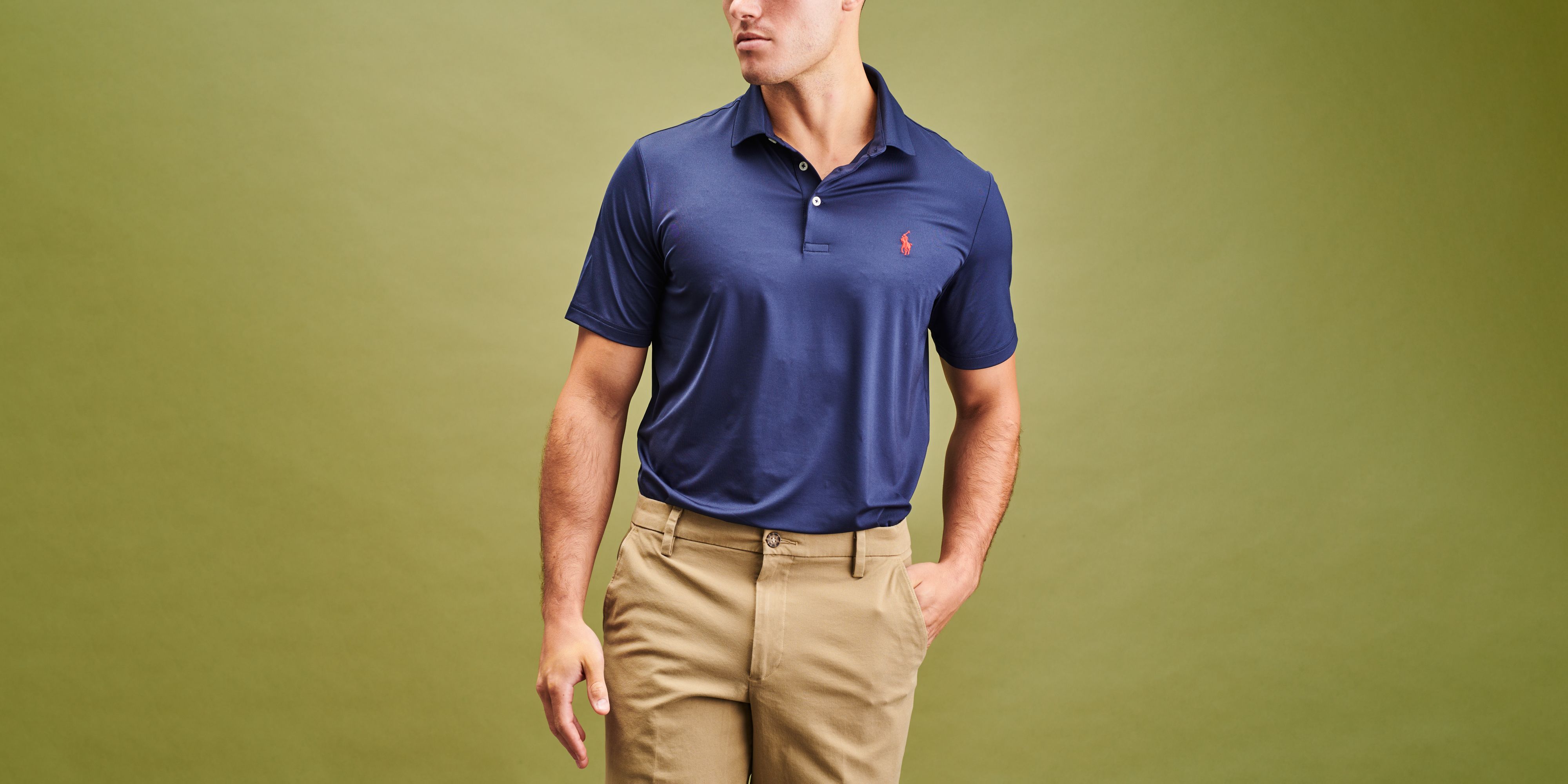
A well-made rib trim collar keeps its shape and structure even after repeated washes.
You might be thinking: does the trim on my collar really matter that much? The answer, honestly, is yes. Here is why.
Shape Retention Over Time
Plain woven fabric on a collar loses shape quickly. It starts to crease, fold, and look limp after a few washes. Rib trim resists this. The interlocking knit structure gives it memory — it returns to its original form after being stretched, worn, and washed. That is why a quality polo with proper rib trim still looks sharp after 50 washes, while a cheap one looks tired after five.
Comfort Without Restriction
Rigid fabric around the neck or wrists is uncomfortable. Rib trim solves this elegantly. It stretches as you move and fits snugly without cutting off circulation or bunching under a jacket. It is, in the truest sense, functional comfort built into the fabric itself.
Abrasion Resistance
Collars rub against beards, skin, and jacket linings constantly. Cuffs are exposed to desk edges, steering wheels, and sleeves. These are high-friction zones. Rib trim holds up far better in these areas than plain fabric because the knit construction distributes stress across multiple threads rather than concentrating it at one point.
Visual Polish
There is a reason polo shirts look instantly more put-together than a plain T-shirt. A large part of that is the collar and cuffed sleeves — both defined by their rib trim. The texture creates a visual boundary between sections of the shirt. It adds structure without adding formality. That is a rare design achievement, and rib trim is central to it.
A Brief History: From Tennis Court to Your Wardrobe
Here is something worth knowing: the polo shirt — and therefore its rib trim — owes its existence to a French tennis player who was fed up with wearing long sleeves in the heat.
In 1926, René Lacoste designed a short-sleeved piqué cotton shirt for the tennis court. It featured a soft collar, a buttoned placket, and ribbed cuffs that freed up arm movement. He first wore it at the US Open that same year. By 1933, he launched the Lacoste brand in partnership with French knitwear manufacturer André Gillier, and the shirt became known as the L.12.12 — featuring, notably, ribbed cuffs that freed up movement on the court.
The ribbed details were not an afterthought. They were a deliberate functional choice. The cuffs needed to stay in place during overhead serves. The collar needed structure to be turned up against the sun. Rib trim delivered both.
Fred Perry followed suit in 1952 with his own version. Then Ralph Lauren in 1972. Each iteration kept the rib trim in place because no one found a better solution. That is a 90-year track record — not bad for a strip of knitted fabric.
How to Care for Rib-Trimmed Polo Shirts
The good news: rib trim is low-maintenance. The simple rules below keep it in top condition.
Wash in cold water. Hot water breaks down the elastane fibres in rib trim over time. Cold water cleans effectively and preserves the snap-back quality of the fabric.
Use a gentle or delicate cycle. Aggressive washing cycles stress the interlocked knit structure, which gradually loosens the ridges and reduces elasticity.
Avoid tumble drying on high heat. Low heat or air-drying is significantly better. High heat causes cotton-blend rib trim to shrink unevenly.
Do not wring the collar. Wringing twists and distorts the knit. Gently press excess water out instead.
Iron on low if needed. The collar and cuffs can be lightly pressed on a cool iron setting. Avoid high heat directly on the ribbing.
Follow these steps consistently and a well-made polo with quality rib trim will easily outlast a shirt that costs twice as much but receives poor care.
FAQs About Rib Trim on Polo Shirts
Is rib trim the same as ribbed fabric?
Not exactly. Ribbed fabric refers to the entire construction of a material. Rib trim specifically refers to a strip of ribbed knit fabric applied as a finishing detail to collars, cuffs, or hems. The trim is ribbed in construction but it is a component, not the full garment material.
Why does my polo collar go flat after washing?
This usually means the rib trim is either low quality or has been washed in hot water too many times. The elastane content has been degraded. Unfortunately, once the trim loses its snap-back quality, it is difficult to restore. This is why cold washing matters from the start.
Can rib trim be replaced or repaired?
Yes. A skilled tailor or seamstress can remove worn rib trim and replace it with new ribbing. It is more practical on premium polo shirts where the body fabric remains in excellent condition. For budget polos, replacement often costs more than the shirt itself.
Does all polo shirt rib trim look the same?
Not at all. Rib trim comes in different widths, textures, weights, and colours. Some brands use tonal rib trim (same colour as the shirt body) for a minimal look. Others use contrasting colours to make the trim a design feature. Performance polos often use wider, heavier rib trim for extra durability.
Is a polo shirt without rib trim still a polo shirt?
Technically, yes — if it has a collar and a buttoned placket, it qualifies. Some modern polo styles use a self-fabric collar, meaning the collar is cut from the same smooth material as the shirt body. These look more relaxed and casual. However, traditional and most classic polo shirts use ribbed collars. Without the rib trim, the structural definition changes significantly.
Sources & References
- Lacoste Official — The Polo Shirt Story: L.12.12
- Analog:Shift — A History of the Polo Shirt
- ShirtSpace — What Is a Ribbed T-Shirt?
- Zitysports — What Is Rib Trim on a Polo Shirt?
- Sun Embroidery & Screen Printing — The Parts of a Polo Shirt
- Soneven — Ribbed Trim on a Polo Shirt
- Baobab Clothing — The History of the Polo Shirt
Rib trim on a polo shirt is the stretchy, textured knitted fabric applied to the collar, cuffs, and sometimes the hem. It holds its shape after washing, stretches with movement, and gives the shirt that clean, structured look — all at once.
The ribbed collar is the most recognisable feature of a classic polo shirt.
What Exactly Is Rib Trim?
Look closely at any polo shirt collar. That slightly raised, ridged texture? That is rib trim — and it is doing far more work than it looks.
Rib trim is a type of knitted fabric distinguished by its vertical ridges and high elasticity. Unlike the main body of a polo shirt, which uses a flat piqué or jersey weave, rib trim alternates between raised and sunken rows of stitching. The result is a fabric that stretches comfortably and then springs back to its original shape — every single time.
Think of it like a well-trained muscle. It stretches when needed and snaps back without losing form. That is exactly what makes rib trim so practical on high-motion areas like collar and cuffs.
Construction
Knitted with alternating raised and recessed rows creating a ridged, elastic surface.
Elasticity
Stretches in multiple directions and returns to its original form without sagging.
Durability
Resists wear in high-friction areas. Handles repeated washing far better than plain fabric.
Appearance
Adds a subtle textured contrast that gives polo shirts their classic, polished look.
Where Is Rib Trim Used on a Polo Shirt?
Rib trim does not appear randomly. It sits exactly where a shirt experiences the most movement and stress. There are three main locations.
Rib trim appears at the collar, cuffs, and — on some styles — the hem.
The Collar
This is the defining feature of a polo. The ribbed collar sits upright, holds its structure after dozens of washes, and adds that immediately recognisable look. Without rib trim, collars lose shape fast and start looking cheap. With it, the collar stays crisp whether you are on a golf course or grabbing coffee.
The Cuffs
Ribbed cuffs at the sleeve ends keep sleeves from flapping or sliding up your arm during movement. They grip the wrist gently — snug without being restrictive. Men with larger arms sometimes prefer hemmed (open-end) sleeves for this reason, but for most people, ribbed cuffs are the more refined choice.
The Hem (Optional)
Some polo styles feature a ribbed hem at the base. This reinforces the bottom edge, adds durability, and prevents the shirt from flaring outward. It is more common in knitwear-influenced polo designs. Not every polo has it, but when it does, it adds a cohesive finish to the garment.
How Rib Trim Is Made
The fabric is created through a specific knitting technique where alternating needles interlock yarn in a pattern of knit and purl stitches. This produces those signature vertical ridges — and, crucially, the cross-directional stretch the fabric is known for.
Most rib trim used on polo shirts today is crafted from a blend of cotton, polyester, and a small percentage of spandex or elastane. The cotton gives softness against the skin. The polyester adds strength. The spandex — typically 5 to 10 percent — is what gives rib trim that signature snap-back quality after stretching.
Types of Rib Trim on Polo Shirts
Not all rib trim is the same. The type used affects both how a shirt looks and how long it lasts.
| Type | Description | Best For |
|---|---|---|
| Single Rib (1×1) | One raised knit stitch, one recessed purl stitch. Clean, uniform, lightweight. | Classic polo shirts, casual and semi-formal wear |
| Double Rib (2×1) | Two knit stitches followed by one purl. Thicker, more textured feel. | Sportwear, heavy-duty polos, cuffs needing extra reinforcement |
| Patterned Rib | Incorporates stripes or contrasting colours into the rib weave. | Golf shirts, fashion-forward styles, branded team wear |
| Custom Rib | Tailored colours, widths, and logos. Made to specification. | Corporate uniforms, event apparel, branded merchandise |
The single 1×1 rib is by far the most common on everyday polo shirts. It delivers a clean, classic look without adding unnecessary bulk. Double rib appears more on performance or workwear polos where the collar and cuffs take a beating.
Why Rib Trim Actually Matters
A well-made rib trim collar keeps its shape and structure even after repeated washes.
You might be thinking: does the trim on my collar really matter that much? The answer, honestly, is yes. Here is why.
Shape Retention Over Time
Plain woven fabric on a collar loses shape quickly. It starts to crease, fold, and look limp after a few washes. Rib trim resists this. The interlocking knit structure gives it memory — it returns to its original form after being stretched, worn, and washed. That is why a quality polo with proper rib trim still looks sharp after 50 washes, while a cheap one looks tired after five.
Comfort Without Restriction
Rigid fabric around the neck or wrists is uncomfortable. Rib trim solves this elegantly. It stretches as you move and fits snugly without cutting off circulation or bunching under a jacket. It is, in the truest sense, functional comfort built into the fabric itself.
Abrasion Resistance
Collars rub against beards, skin, and jacket linings constantly. Cuffs are exposed to desk edges, steering wheels, and sleeves. These are high-friction zones. Rib trim holds up far better in these areas than plain fabric because the knit construction distributes stress across multiple threads rather than concentrating it at one point.
Visual Polish
There is a reason polo shirts look instantly more put-together than a plain T-shirt. A large part of that is the collar and cuffed sleeves — both defined by their rib trim. The texture creates a visual boundary between sections of the shirt. It adds structure without adding formality. That is a rare design achievement, and rib trim is central to it.
A Brief History: From Tennis Court to Your Wardrobe
Here is something worth knowing: the polo shirt — and therefore its rib trim — owes its existence to a French tennis player who was fed up with wearing long sleeves in the heat.
In 1926, René Lacoste designed a short-sleeved piqué cotton shirt for the tennis court. It featured a soft collar, a buttoned placket, and ribbed cuffs that freed up arm movement. He first wore it at the US Open that same year. By 1933, he launched the Lacoste brand in partnership with French knitwear manufacturer André Gillier, and the shirt became known as the L.12.12 — featuring, notably, ribbed cuffs that freed up movement on the court.
The ribbed details were not an afterthought. They were a deliberate functional choice. The cuffs needed to stay in place during overhead serves. The collar needed structure to be turned up against the sun. Rib trim delivered both.
Fred Perry followed suit in 1952 with his own version. Then Ralph Lauren in 1972. Each iteration kept the rib trim in place because no one found a better solution. That is a 90-year track record — not bad for a strip of knitted fabric.
How to Care for Rib-Trimmed Polo Shirts
The good news: rib trim is low-maintenance. The simple rules below keep it in top condition.
Wash in cold water. Hot water breaks down the elastane fibres in rib trim over time. Cold water cleans effectively and preserves the snap-back quality of the fabric.
Use a gentle or delicate cycle. Aggressive washing cycles stress the interlocked knit structure, which gradually loosens the ridges and reduces elasticity.
Avoid tumble drying on high heat. Low heat or air-drying is significantly better. High heat causes cotton-blend rib trim to shrink unevenly.
Do not wring the collar. Wringing twists and distorts the knit. Gently press excess water out instead.
Iron on low if needed. The collar and cuffs can be lightly pressed on a cool iron setting. Avoid high heat directly on the ribbing.
Follow these steps consistently and a well-made polo with quality rib trim will easily outlast a shirt that costs twice as much but receives poor care.
FAQs About Rib Trim on Polo Shirts
Is rib trim the same as ribbed fabric?
Not exactly. Ribbed fabric refers to the entire construction of a material. Rib trim specifically refers to a strip of ribbed knit fabric applied as a finishing detail to collars, cuffs, or hems. The trim is ribbed in construction but it is a component, not the full garment material.
Why does my polo collar go flat after washing?
This usually means the rib trim is either low quality or has been washed in hot water too many times. The elastane content has been degraded. Unfortunately, once the trim loses its snap-back quality, it is difficult to restore. This is why cold washing matters from the start.
Can rib trim be replaced or repaired?
Yes. A skilled tailor or seamstress can remove worn rib trim and replace it with new ribbing. It is more practical on premium polo shirts where the body fabric remains in excellent condition. For budget polos, replacement often costs more than the shirt itself.
Does all polo shirt rib trim look the same?
Not at all. Rib trim comes in different widths, textures, weights, and colours. Some brands use tonal rib trim (same colour as the shirt body) for a minimal look. Others use contrasting colours to make the trim a design feature. Performance polos often use wider, heavier rib trim for extra durability.
Is a polo shirt without rib trim still a polo shirt?
Technically, yes — if it has a collar and a buttoned placket, it qualifies. Some modern polo styles use a self-fabric collar, meaning the collar is cut from the same smooth material as the shirt body. These look more relaxed and casual. However, traditional and most classic polo shirts use ribbed collars. Without the rib trim, the structural definition changes significantly.
Sources & References
- Lacoste Official — The Polo Shirt Story: L.12.12
- Analog:Shift — A History of the Polo Shirt
- ShirtSpace — What Is a Ribbed T-Shirt?
- Zitysports — What Is Rib Trim on a Polo Shirt?
- Sun Embroidery & Screen Printing — The Parts of a Polo Shirt
- Soneven — Ribbed Trim on a Polo Shirt
- Baobab Clothing — The History of the Polo Shirt
